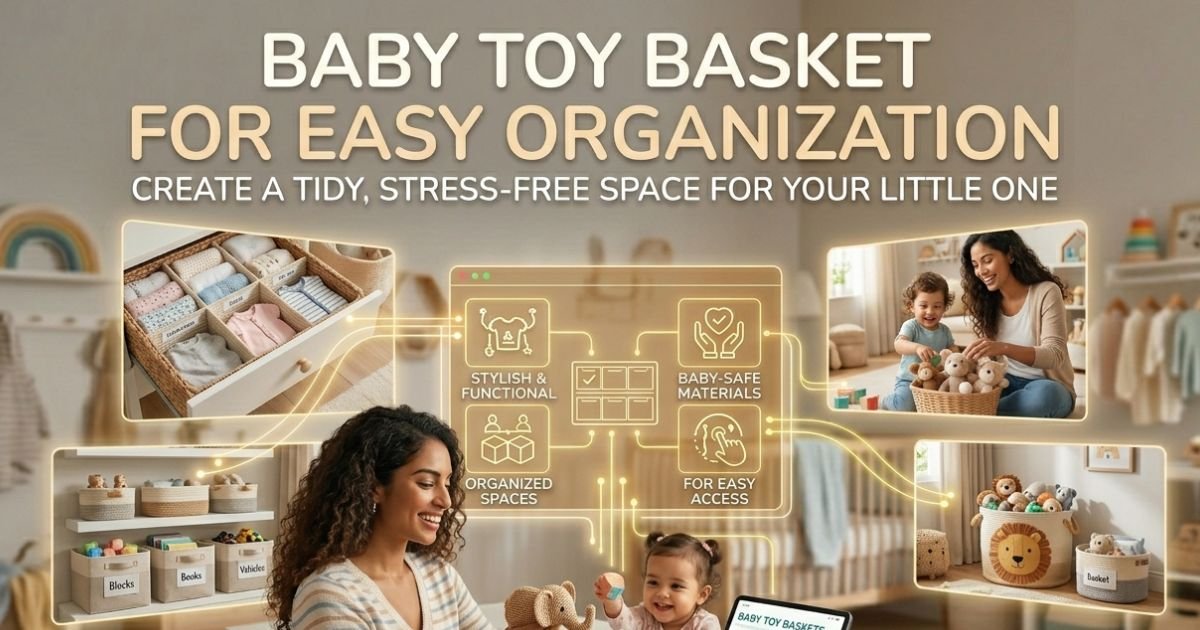

Toys can multiply overnight and turn any room into chaos. “One day the living room looks calm and cozy, the next it’s a sea of stuffed animals, Legos, and puzzle pieces,” notes a home organizer. A baby toy basket solves that problem: it’s a simple storage bin designed for children’s toys. The right toy basket tames the clutter and even blends seamlessly into your decor. In this guide you’ll learn about the different types of baby toy baskets (from woven floor baskets to small fabric bins), what features to look for, and tips to keep toys organized. By the end, you’ll know how to choose the best basket to match your style and your child’s needs.
Woven baskets filled with stuffed animals are a stylish yet functional way to corral toys. Today’s toy baskets come in many designs natural-fiber weaves, soft cotton bins, plastic tubs, and more. Many are made from natural, eco-friendly materials like water hyacinth or seagrass, which are sturdy but gentle on little hands. For example, water-hyacinth baskets are “flexible but sturdy” and lightweight, with a soft texture that is gentle for kids yet holds up to daily wear. Other options include cotton-rope bins (often collapsible) and hard plastic tubs (easy to wipe clean). No matter the material, each baby toy basket serves as a toy organizer that keeps play areas tidy while complementing your home’s style.
Why Use a Baby Toy Basket?
- Tames Toy Clutter Quickly: Instead of a single giant box, smart storage means giving every toy a home. Experts say “the secret isn’t a bigger box it’s a smarter system” that makes cleanup intuitive for children. When toys are easily visible and accessible, kids are more likely to put them away.
- Encourages Independent Cleanup: Baskets can empower kids to pitch in. With a basket that has low sides and handles, a toddler can “help with cleanup” by tossing in toys or even carrying the basket themselves. Teaching children to return items to their basket builds positive habits.
- Safe, Kid-Friendly Design: Many toy baskets use soft or smooth materials (wicker, fabric, cotton rope) with no sharp corners. These are safer for little ones to touch, climb on, or even sit in. One expert notes that baskets made from water hyacinth, seagrass or cotton are “sturdy, flexible, and gentle on little hands”.
- Decorative & Versatile: Unlike plain plastic bins, decorative baskets add warmth and style to a room. Woven baskets in neutral tones or fun patterns complement nurseries and living areas. When guests arrive, you can quickly toss stray toys into a pretty basket and hide clutter in plain sight.
- Portable & Multi-Room Use: A basket with handles moves easily from the playroom to the living room or nursery. It becomes a toy basket organizer that travels with your family’s routines. For example, one source emphasizes that sturdy handles allow children to “drag baskets across the floor or carry them from one corner of the room to another,” making cleanup part of play.
Types of Baby Toy Baskets
Baskets come in many styles. Here are some common types to consider:
- Woven Natural Baskets: These include baskets made of wicker, rattan, seagrass, or water hyacinth. They are strong and decorative. For instance, a water-hyacinth basket offers a warm, handmade look that suits a nursery or living room, while seagrass baskets look tight and clean, ideal for neat spaces. Natural baskets blend function with style – they hold toys yet look like home decor. A woven basket with a lid can hide toys completely, making a room look tidy.
- Cotton Rope or Fabric Baskets: Made of soft cotton, canvas, or quilted fabric, these bins are gentle and often collapsible. Parents love cotton rope baskets for their softness and handles. For example, a set of cotton rope storage baskets is lightweight, machine-washable, and usually has hidden handles for easy carrying. Fabric bins come in many colors or patterns, which is fun for kids, but note they can collect dust more than hard bins. A tip: use fabric baskets in low-dust areas (like a bedroom) or choose wipeable liners.
- Plastic or Mesh Baskets: Durable plastic tubs or mesh laundry baskets are practical for heavy use or wet areas. Plastic bins are “nearly indestructible” and can be wiped clean, ideal for messy crafts or paint. Mesh baskets are great for bath toys – one parent praised a hanging mesh bath basket that holds rubber ducks and lets them drip dry. The downside is they’re more utilitarian in look, but they shine in durability and quick cleanup.
- Large Floor Baskets: These are big, open baskets often placed on the floor for bulky toys. Think of a large wicker hamper filled with stuffed animals or big trucks. They “hold a ton” of toys and make cleanup fast (just toss everything inside!). However, keep child size in mind: if a big basket is overstuffed, it can become too heavy for a child to lift. Use large baskets mainly for items that you don’t mind bundling together.
- Lidded Decorative Baskets: Some baskets come with lids (like a chest with a cover). They instantly “hide clutter” and can be stacked or tucked neatly. A lidded basket is perfect in a living room or nursery it keeps toys out of sight and doubles as storage for blankets or baby gear. Just be sure lids have safety hinges or ventilation if kids might climb inside.
This woven basket holds assorted toys and shows how a large woven bin can brighten a playroom.
Choosing the Best Baby Toy Basket
When shopping for a toy basket, consider these key factors:
- Toy Size & Basket Capacity: Match the basket to the toys. Large stuffed animals and big blocks need a roomy basket, while small toys like puzzles or dolls work in smaller bins. For cube shelving (e.g. IKEA Kallax), choose square baskets that fit the cubes. A good rule: “Large baskets work for stuffed animals or trucks, while smaller ones suit puzzles, blocks, or crafts”.
- Material & Durability: Look for sturdy materials if the basket will see heavy use. Natural materials (water hyacinth, seagrass, sturdy cotton) are tough and safe for kids. Check that edges are smooth and any wicker is well finished. If your toddler makes messes, plastic or coated fabric may be best because you can clean spills easily.
- Handles & Portability: A basket should be easy for parents and kids to carry. Deep or heavy baskets can be hard to move when full. One expert warns: a giant basket with handles is useless if a child can’t lift it once it’s heavy. Look for sturdy, ergonomic handles (sometimes hidden) so even little hands can drag the basket around.
- Open vs Lid: Decide based on where the basket will live. In playrooms, open baskets are often preferred: toddlers can toss in toys quickly and grab them out easily. In family rooms or nurseries, a lidded basket keeps the space looking neat by hiding toys from view. You might use both: lidded baskets for common areas and open bins in the play area.
- Style & Safety: Pick a style that fits your decor neutral woven baskets for a minimalist look, or colorful bins if you want fun accents. Ensure the basket is baby-safe: it should have no sharp parts, splinters, or loose embellishments. For baskets made of fabric, check if a removable liner is available. Liners make cleaning easier and keep small parts contained.
- Ease of Cleaning: Consider how you will keep the basket tidy. Fabric baskets can often be machine-washed or spot-cleaned, while plastic baskets simply wipe out. If toys have crumbs or ink, a plastic or laminate-lined basket might be easier to clean. For open baskets, occasional vacuuming or shaking out dust can keep them fresh.
Tips for Using Baby Toy Baskets
- Group by Category: Use one basket per toy type – one for stuffed animals, one for blocks, one for arts and crafts, etc. Label each basket with a picture or word so kids know where things go. This makes finding toys easier and helps children learn sorting skills.
- Keep Baskets Accessible: Place baskets at a child’s height. Low shelves or floor-level baskets let kids grab and return toys themselves. For example, a fabric bin on the floor is much easier for a toddler than a high shelf.
- Quick Cleanup Routines: Turn cleanup into a game. Set a timer for a “3-minute tidy,” where everyone throws toys into baskets. A lidded basket in the living room can be a lifesaver for last-minute straightening it hides a lot of clutter instantly.
- Rotate Toys: If the basket overflows, consider rotating toys. Store some baskets out of sight and swap contents every few weeks. This makes old toys feel new and reduces daily mess by limiting how many toys are out at once.
- Use Special Baskets for Special Toys: For bath toys, a mesh hanging basket (with suction cups) works great. One mom loves a hanging bath basket because “after each bath, [her daughter] scoops her rubber ducks into it… then we hang it back up to drip dry”. For tiny pieces like LEGO, keep them in a shallow basket or tray with a liner – this way kids see all the pieces at once and are less likely to dump it all out.
- Include Kids in the Process: Let children help pick baskets (favorite colors or patterns) and teach them to put away toys. The goal is to make cleaning up part of playtime, not a chore.
Pros and Cons of Baby Toy Baskets
Pros:
- Simplifies Clean-up: Baskets contain mess in one place and encourage kids to help clean. As one expert says, getting kids to put toys back “builds positive habits in organization”.
- Child-Friendly: Soft-sided and low baskets are easy for children to use safely. There’s no heavy lid to pinch fingers, and handles make it fun for kids to carry toys.
- Portable & Flexible: Light baskets move with your family. You can carry toys to a different room or the car, and you can easily add or swap baskets as needs change.
- Decorative: A nice woven or patterned basket adds to room décor. Baskets “integrate with your decor rather than looking utilitarian,” unlike plain bins.
- Customized Organization: Multiple baskets mean you can assign different toy zones. For example, you might have a “stuffed animal” basket and a “building blocks” basket, which teaches kids to sort as they clean.
Cons:
- Less Dust Protection: Open baskets let air (and dust) in. Toys in fabric bins or wicker baskets may need occasional dusting or washing. One note of caution: “fabric baskets can collect dust and are much harder to clean” after spills.
- Can Become a “Dump”: Without discipline, a basket can turn into a catch-all. Tossing everything into one big basket is easy, but then it doesn’t truly organize. Unlike divided bins or drawers, a single basket doesn’t sort toys automatically.
- Weight Issues: A very large basket loaded with toys might be too heavy for a child to lift. As one review warns, if a basket is “too heavy once full, kids won’t be able to move it”.
- Not Ideal for Small Pieces: Tiny toys can spill out of open or fabric baskets. For small items, consider baskets with liners or closed boxes. One expert suggests using liners especially when storing toys with small parts.
- Durability: Some cloth or woven baskets may fray or wear over time (especially if toddler teeth are involved!). In high-traffic playrooms, a durable plastic bin might outlast a delicate wicker basket.
Conclusion
A baby toy basket is an easy, stylish way to tame toy clutter and teach kids organization. By choosing the right basket whether a decorative woven hamper in the living room or a colorful fabric bin in the playroom you can make cleanup faster and more fun. Remember to match the size and material to your child’s needs (big soft baskets for plush toys, small basket organizer for blocks), and involve your little one in tidying up. With the tips above, you can pick a baby toy basket that not only stores toys but also complements your home.
Ready to bring order to playtime? Grab a basket that fits your space and start enjoying a neater, more beautiful home today!
