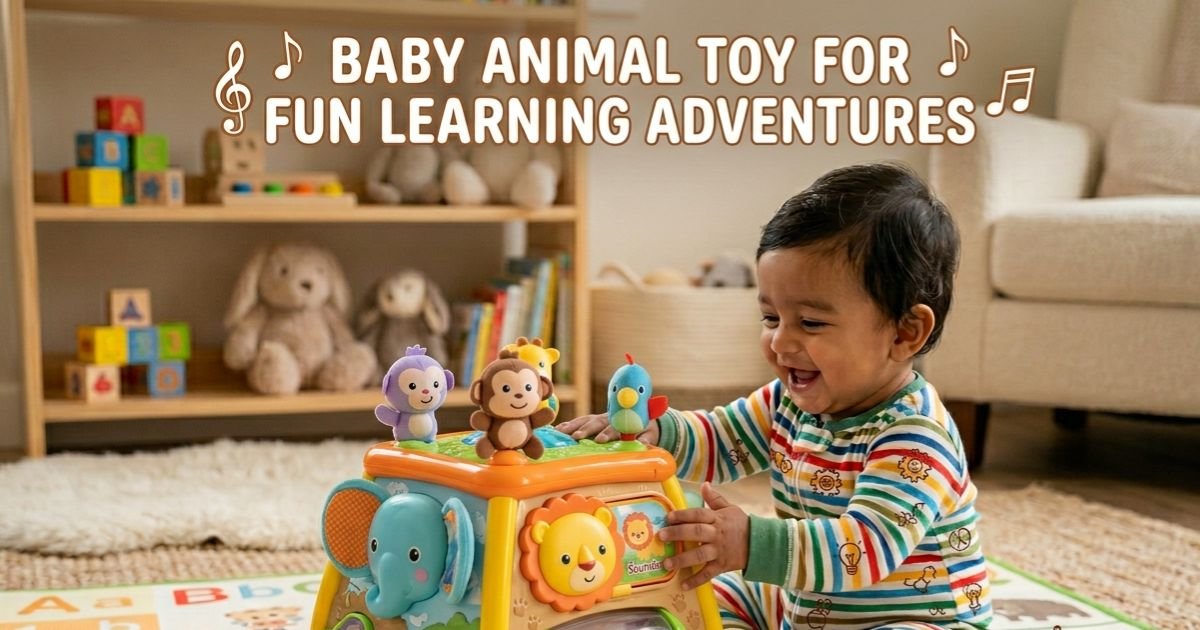

A baby animal toy brings the charm of the animal kingdom into playtime. These toys ranging from cuddly stuffed animals to detailed figurine sets are designed to delight infants and toddlers while supporting their growth. In this article, you’ll learn what baby animal toys are, why they’re beneficial, and how to choose the best ones for your child’s fun learning adventures.
What Is a Baby Animal Toy?
A baby animal toy is any plaything modeled after a young animal and intended for babies or young children. This includes soft plush animals (like teddy bears or lambs), hard plastic or wooden animal figures, interactive talking or musical animals, and sets of multiple baby animals (farm or zoo playsets). The key is that these toys look like cute baby creatures puppies, kittens, lion cubs, or baby farm animals and are sized and designed for little hands. By playing with these toys, babies can explore shapes, textures, and sounds while beginning to learn about the world of animals.
Benefits of Baby Animal Toys
Baby animal toys offer many developmental benefits. They engage multiple senses and skills as children play, learning through pretend petting, role-play, and storytelling. Key benefits include:
-
Emotional comfort: Soft animal toys often become “lovies” that make babies feel safe. Young children naturally bond with plush toys, finding comfort and security in hugging them. Cuddling a soft teddy or lamb can soothe a fussy baby and help release stress.
-
Social and nurturing skills: Even without words, playing with animal toys lets kids practice empathy and caregiving. For example, a toddler may pretend to feed or care for a toy kitten, learning kindness and responsibility. Studies note that interacting with stuffed animals helps children “learn how to be kind and nurturing” by taking care of their plush friends. This pretend caretaking can build early social skills as if the toy were a friend.
-
Language and communication: Baby animal toys encourage talking and early language practice. A baby may babble to a favorite plush as if it’s listening, which helps connect sounds to meaning. For toddlers, narrating animal stories or animal noises (like “moo” for cow) boosts vocabulary. As Bunnies by the Bay explains, even though “stuffed animals don’t talk, children will leave space to listen to their stuffed animals before they verbally respond”.
-
Creativity and imagination: Animal toys are perfect props for imaginative play. Safari Ltd. notes that realistic animal toys “spark imagination and creativity” children often create stories with their toys in all kinds of settings. In one blog, farm animal figures let kids invent entire farm adventures, boosting creativity and storytelling.
-
Motor skills: Handling animal toys helps develop coordination. Grasping a plastic calf, stacking toy animals, or moving a cuddly plush around strengthens fine motor skills (small hand movements) and even gross motor skills (like crawling towards a rolling animal toy). For example, sorting animals by size or lining them up can train hand-eye coordination and problem-solving.
-
Cognitive and educational learning: Animals are fascinating to kids, so learning through them is fun. By playing with animals, children learn animal names, sounds, colors, and habitats. Safari Ltd. points out that realistic figures “inspire kids to learn more about different animals, their features, and where they live”. Playing with animal sets also introduces early math concepts: for instance, kids can count farm animals or sort animals into groups by color or species. In fact, one learning blog notes that farm animal toys support early concepts like counting and categorization in an enjoyable way.
In short, baby animal toys are not just cuddly companions – they are educational playthings that promote emotional well-being, language, creativity, and foundational skills.
Types of Baby Animal Toys
Baby animal toys come in many forms. Parents can choose according to age, safety, and developmental goals. Common types include:
-
Plush and soft animal toys: These are the classic stuffed teddy bears, bunnies, elephants, or other animals made of fabric and soft filling. These soft baby animal toys are usually designed with embroidered or securely attached eyes to prevent choking hazards. For infants, plush rattles or blankets with attached animal heads (sometimes called “doudou” toys) help explore texture and shape. Soft toys are easy to squeeze and hug; they provide comfort and sensory exploration of colors and fabrics. (For example, Discovery Toys highlights that plush toys are perfect for introducing infants to textures, shapes, and colors, while also “provid[ing] comfort and security”.)
-
Realistic animal figurines: These are detailed plastic or wooden models of baby animals (farm, wild animals, marine, etc.). Brands like Schleich or Safari Ltd. make realistic baby animal toys with lifelike details. (See image below.) These figurines are usually sturdy and durable. They encourage imaginative play by letting kids create realistic stories as Schleich notes, life-like details in a baby farm animal set “stimulate children’s minds to play creatively” with imaginative farm scenes. Safari Ltd. also reports that realistic animal toys make children curious: they “cultivate curiosity,” encouraging kids to learn about real animals and their environments. This type is best for older toddlers (ages 2+) who can safely handle small parts.
Realistic farm animal toy set by Schleich: durable plastic figurines that spark imaginative storytelling and learning.
-
Animal toy sets and playsets: These are collections of multiple animal figures, often themed (farmyard, jungle, safari, etc.). A baby animal toy set might include a variety of animals and sometimes accessories like a barn or trees. Sets encourage richer play kids can create entire scenes and group activities. For example, Schleich’s 6-piece farm bundle includes a piglet, lamb, calf, puppy, goat, and donkey. The manufacturer highlights that such sets are “educational toys for kids” that act as a “VIP pass to playful curiosity” and let kids invent farm stories. Sets also encourage social play: with multiple animals, siblings or friends can play together, building teamwork and communication skills.
-
Interactive and electronic animal toys: Some animal toys are battery-powered and sing, talk, or make noises. For example, a toy cat might meow or a farm plush might play music. These can be very engaging for toddlers, teaching cause-and-effect (pressing a button makes sound) and language (animal sounds or words). While we didn’t cite a specific source, it’s common that interactive animals also come with lights or educational features (like counting songs). When choosing these, ensure they’re age-appropriate and have volume control.
-
Educational animal toys: These overlap with the above but emphasize learning. For instance, animal puzzles, shape-sorting animals, or counting games with animal pieces turn play into a lesson. A popular idea is alphabet blocks with animal pictures, or farm animal puzzles that teach habitat names. Although brands like Melissa & Doug and LeapFrog make such toys, their general effect is studied: any toy that combines animal figures with counting or letters helps solidify those skills in context.
Choosing the Best Baby Animal Toy
With so many options, how do you pick the best baby animal toy? Here are some tips:
-
Safety first: Check for safety labels (CE mark in Europe, ASTM/CPSIA compliance in the US). A toy should have no small parts or choking hazards if aimed at babies/toddlers. For example, regulators stress that stuffed animal eyes and decorations must be securely attached to avoid choking. Avoid any loose strings or buttons. Also ensure fabrics are non-toxic and meet flammability standards.
-
Age-appropriate size and complexity: Choose toys labeled for your child’s age. Newborns (0-6 months) do best with very simple plush rattles or high-contrast animal cloth books. Toddlers (1-3 years) can handle more detailed figurines and interactive toys. Larger animals without small pieces are safer for younger toddlers. For example, many toddler-friendly animal sets are made chunky for easy grasping and may have soft, squeezable designs.
-
Material & durability: Consider how the toy is made. For soft toys, look for high-quality plush that is machine washable. Many baby animal plush toys use super-soft cotton or velour that’s gentle on baby’s skin. For plastic figures, choose non-toxic, BPA-free plastics. As one play blog points out, good animal toys often use “excellent materials, such as strong plastic or rubber, to withstand rough play”. Durable construction means the toy will last for years and can be passed along or saved as a keepsake.
-
Development goals: Think about what you want your child to learn. If sensory play is key, a soft crinkly animal is great. If counting and sorting, an animal puzzle or set of toy animals to count is ideal. If language is the focus, a talking animal might be fun. Many educational baby animal toys include features like numbers, letters, or colors built in. For example, a farm animal set that includes multiple animals lends itself to counting games and learning farm vocabulary.
-
Animal variety: A set with many different animals offers more play value. Kids can group them (farm vs jungle) or compare sizes (small vs large). Having multiple species (a jungle set, or a zoo pack) teaches the child about diversity in the animal world. It also keeps play fresh as they swap animals in pretend scenarios.
Tips for Using Baby Animal Toys
To get the most out of baby animal toys, try these tips:
-
Join the play: Sit down with your child and the animal toys. Name the animals together (“Look, a baby elephant!”) and imitate sounds (“Grrr for the lion!”). This interaction turns playtime into a language lesson.
-
Storytelling: Encourage creativity by making up stories. Use the animals to act out daily routines: “The puppy wakes up and wants breakfast,” or adventures: “The elephant goes to the jungle market.” This builds imagination and narrative skills.
-
Education games: Turn play into simple lessons. Ask your toddler to sort animals by color or count how many pigs are on the farm. Sing songs about animals (like “Old MacDonald Had a Farm”) while playing, which reinforces animal sounds and names.
-
Rotate toys: To keep interest high, rotate the collection. Every few weeks, put some toys away and reintroduce them later. Fresh toys inspire new play ideas.
-
Keep it clean: Baby toys often go in the mouth. Look for machine-washable soft toys or easy-to-wipe plastic figures. Clean them regularly to keep play hygienic.
-
Link to real life: Take your child to the zoo or a petting farm (if possible) and point out the real animals they’ve seen in their toy box. This connection reinforces learning. Even picture books about farm or zoo animals complement the toys.
Conclusion
Baby animal toys are more than just cute playthings – they are tools for learning and growth. Whether soft and cuddly or realistically detailed, these toys engage babies’ senses and spark toddlers’ imaginations. They teach names, encourage storytelling, and even comfort a child during tough moments. For parents, the key is to pick a toy that is safe, age-appropriate, and engaging. The best baby animal toys combine fun with education: think plush teddies for snuggles, realistic figurines for creative play, or interactive critters for engaging surprises. By choosing high-quality, educational baby animal toys, you’re giving your child a world of learning through play – one adorable animal at a time.
Explore local toy shops or online retailers for popular picks (brands like Schleich, Melissa & Doug, Safari, or LeapFrog all make great animal toys). No matter which baby animal toy you choose, watch as your little one’s eyes light up with delight and curiosity. These toys truly turn playtime into a fun learning adventure!
