
Music has a magical way of captivating babies. A well-chosen interactive baby music toy does more than entertain it becomes a playful learning tool that engages tiny hands, eyes, and ears. For parents looking for the best baby music toy, especially interactive designs, the goal is to find one that delights your little one and supports development. Through playful sounds and movement, babies explore cause and effect, build sensory connections, and even strengthen bonds with caregivers.
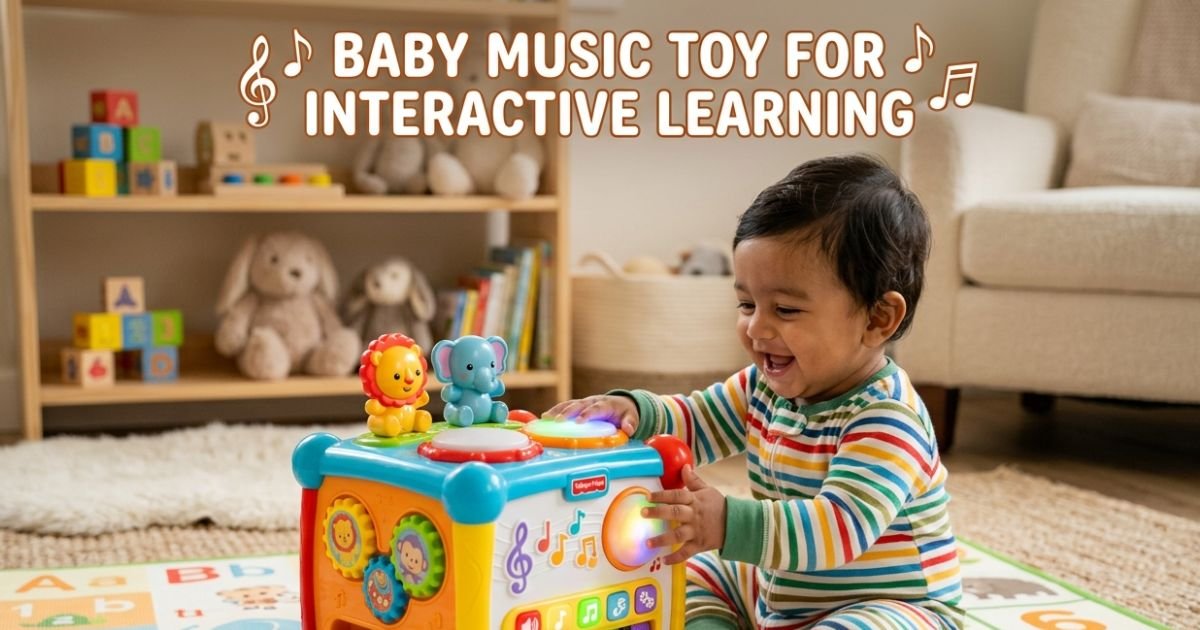
A toddler playing with a light-up drum toy. Imagine a toddler’s smile as they tap a drum pad and hear a cheerful melody, reaching for each light that glows with every tap. Baby music toys that incorporate both sound and lights delight infants while encouraging them to experiment and learn independently. In fact, research shows that such multi-sensory toys “engage multiple senses simultaneously, creating a rich sensorial experience”, helping babies make connections between actions and outcomes.
What is a Baby Music Toy?
A baby music toy is any plaything designed to introduce infants and toddlers to music and sound. It could be a simple rattle, a plush animal that sings when squeezed, a small drum set, a mini-piano with glowing keys, or an electronic keyboard with light-up notes. These toys respond to a child’s action (such as shaking, pressing, or tapping) by playing tunes, melodies, or rhythms.
What makes them special is interactivity. For example, pressing a piano key might produce a note and a flash of light. Shaking maracas yields a jingle sound. This cause-and-effect play teaches babies that their actions produce predictable results. Many baby music toys combine textures, colors, and sounds to engage multiple senses at once – inviting infants to touch, listen, and watch. By making learning playful and interactive, these toys turn playtime into an early educational adventure.
Benefits of Baby Music Toys
Introducing music and sound through play has many developmental benefits:
- Brain Development: Music stimulates the brain. Early music exposure helps babies develop memory, attention, and problem-solving. As Zero to Three notes, musical experiences in infancy “support the formation of important brain connections…over the first three years of life.” When babies listen to or make music, they strengthen neural pathways in areas tied to speech and reasoning.
- Language Skills: Singing and listening builds language foundations. Hearing rhythms and melodies helps babies process sounds and eventually babble first words. The American Academy of Pediatrics notes that music can “increase attention and reasoning skills”, and music activities naturally introduce vocabulary and patterns of speech.
- Motor Skills: Musical toys encourage movement. Hitting a drum refines arm control, pressing keys builds fine finger coordination, and dancing to a tune uses leg muscles. Each interaction improves gross and fine motor skills. These actions strengthen muscles and dexterity as babies play.
- Emotional and Social Growth: Music is emotional and social by nature. Soothing lullabies can calm babies, and upbeat songs can make them giggle or dance. Playing music together builds bonding: shared songs and dances strengthen parent-child attachment. Tumama Kids highlights that music play “strengthens family bonds and creates lasting memories.” When siblings or playmates make music together, babies also practice taking turns and sharing instruments.
- Creativity and Exploration: Musical play is inherently creative. A baby banging out rhythms or toddlers creating new melodies explore sounds freely. This experimentation sparks imagination and teaches creativity figuring out new ways to play or combining sounds.
- Sensory Integration: Music toys often have lights and textures, engaging sight, sound, and touch at once. This simultaneous sensory input is powerful. Toycycle explains that engaging multiple senses helps infants learn to interpret the world effectively. For example, seeing a flashing light and hearing a sound each time a button is pressed reinforces the link between vision and hearing.
- Confidence and Joy: Every time a baby causes a toy to make music, they light up. That “I did it!” moment boosts confidence. Zero to Three notes babies get a sense of competence when they see they can make an impact (like the “huge toothless grin” after making a rattle sing). Plus, musical play simply makes children happy, which encourages them to engage more and learn naturally.
In short, baby music toys are powerful developmental tools. They “enhance brain development and motor skills, foster emotional bonds and language acquisition,” not just entertain. With each tune and light-up bounce, your child is learning skills that will benefit them for years to come.
Key Features of Interactive Baby Music Toys
Choosing the right toy means looking for features that maximize fun and learning:
Toddlers interact with a light-up drum toy. Many interactive music toys combine bright lights, colors, and sounds to captivate a baby’s attention. These visual cues paired with audio feedback create a multi-sensory experience. Look for toys that engage sight and hearing at once (for example, pianos or drum pads that flash with each beat). This not only thrills babies, it reinforces the concept of cause and effect. According to Toycycle, music toys “engage multiple senses simultaneously, creating a rich sensorial experience”, which deeply anchors the learning.
- Lights and Colors: Bright, changing lights are common. A baby music toy with lights uses light cues to show when a sound is activated. Toys might flash in patterns or glow in fun colors. This visual stimulation, combined with melodies, deeply engages infants and helps hold their interest.
- Variety of Sounds: Good music toys offer multiple tunes or noises. For example, they might include drum beats, animal sounds, classical melodies, and nursery rhymes. This variety keeps babies curious. Some toys even switch between modes (e.g. rhythm mode vs. melody mode) to offer new challenges as the child grows.
- Volume Control: Since babies’ ears are sensitive, many well-made music toys have adjustable volume settings or mute options. This lets you keep sounds at a safe level. Always test the toy’s loudness ideally, it shouldn’t be any louder than a normal conversation at close range.
- Durability and Safety: Babies drop and chew toys, so durability is key. Choose toys with sturdy build quality and smooth edges. Any small parts (like buttons or eyes) must be firmly attached. In the U.S., look for toys meeting ASTM F963 safety standards (meaning tested for durability and hazardous materials). Toys should also be BPA-free and non-toxic.
- Easy Interaction: For young infants, toys should have simple, large controls. Big buttons or jumbo keys work well for tiny fingers. Handles or loops help babies hold them. As kids grow, more buttons and functions can be introduced, but initial play should be frustration-free.
- Educational Content: Some music toys are also educational baby music toys. These might teach numbers, letters, or colors through songs. For example, one popular plush octopus names each leg’s color in English, French, and Spanish when pressed. If you want more than tunes, look for toys with built-in “lesson” modes or content that teaches letters or counting along with the music.
- Multiple Play Modes: The best music toys grow with your child. Some have two or more modes: e.g. a simple mode for a baby and a more complex mode for a toddler. Others have removable parts or convertible setups (like a drum that becomes a puzzle). These features extend a toy’s usefulness.
- Theme and Character: While not critical, many babies love favorite characters or cute animal designs. A friendly animal face or popular cartoon can entice a baby to play. Just ensure any decorative bits (like googly eyes or glitter) are secured and safe.
- Power Source: Most interactive toys use batteries for sounds and lights. Check if the battery compartment is secure (often screw-locked). Some toys (like shakers or drums) operate without batteries. Having battery-free options can be nice if you want unplugged play sometimes.
- Age Appropriateness: Always follow the recommended age on the toy packaging. A toy marked “12+ months” might have small parts unsafe for a 6-month-old. On the other hand, a toy designed for infants might bore an active 2-year-old. Choose toys at or just above your child’s age level.
For example, Tumama Kids describes a drum toy with “two adjustable volume control modes” that plays “12 different animal sounds and 8 distinct drum beats… 18 delightful piano melodies and 8 familiar English songs,” plus a light-up handle for little hands. This kind of multi-function design shows how modern baby music toys can pack in lights, tunes, and safe ergonomics all in one device. Match the features to your baby’s stage: bright lights and simple melodies for infants, or more songs and learning content for toddlers.
Types of Baby Music Toys
There are many kinds of musical toys, each offering a different way to learn and play:
- Musical plush toy (squirrel in acorn). Plush Musical Toys: These look like soft stuffed animals or dolls but sing when squeezed or pulled. They combine cuddle-time with music. For example, a plush squirrel toy (inside an acorn) plays Brahms’ “Cradle Song” when you pull its string. These are excellent for babies who love to cuddle – they provide gentle melodies that can soothe or entertain in a gentle way.
- Handheld Instruments: Miniature versions of real instruments, sized for little hands. Think small drums, toy keyboards, xylophones, maracas, or tambourines. These introduce babies to rhythm and melody using genuine sounds. For instance, baby-sized shakers encourage shaking, and toddler keyboards allow pressing notes. These are often made of bright plastic or smooth wood and invite exploration.
- Activity Tables and Play Mats: Stationary centers with built-in music modules. For example, an activity gym might have hanging instruments (like rattles) plus a keyboard on the base that lights up when played. A baby music table could have drums, buttons, and gears all in one area. These provide lots of entertainment in one toy, encouraging babies to reach, push, and crawl around to different sounds.
- Musical Cubes and Blocks: Block-shaped toys with multiple sides of engagement. Each side might have different activities: pressable buttons that play tunes, peek-a-boo flaps, or shape-sorter holes that make sounds. These are great for crinkling, pressing, and rolling. For example, the Farmyard Musical Cube “capture[s] baby’s attention with a whole host of sounds, sights and textures,” including mirrors and pressable noses that play farm sounds and songs. It’s designed to amuse infants with variety.
- Music Sets: Packages including several instruments together (often sold as a baby music toy set). For example, you might find a set with a mini keyboard, drum, and tambourine bundled together. These sets encourage children to try each instrument and compare sounds. A set could be a simple rainbow xylophone plus mallet, or a 3-piece band kit. It’s a great way to offer variety in one purchase.
- Electronic Learning Toys: More advanced gadgets with digital features, such as tablet-like devices with songs, or keyboards with recorded voices. These often have multiple lessons or songs built in. Some have small screens or buttons that say letters or words when played. They combine music with interactive lessons (though for babies, keep screen use minimal!).
- Mobiles and Crib Toys: Not handheld, but worth mentioning. These attach overhead (in crib or on stroller) and play lullabies or gentle music automatically. They introduce very young babies to sound in a soothing way, often with lights or projection. (These are passive toys, but they give music exposure from day one.)
- Ride-On or Pull-Along Musical Toys: Once babies start moving, look for toys they can push or pull that make music. For example, a pull-along dog might bark tunes as it’s pulled, or a ride-on keyboard might play sounds as a child scoots. These add gross motor practice to musical play.
- DIY Instruments: Simple homemade versions count too: a pot with wooden spoons makes a drum, sealed containers with beans make shakers. These aren’t store-bought toys, but they teach the same music principles (cause/effect) and are completely safe for exploration.
Each type of toy offers something unique. Plush toys tend to be calming and cuddly, while drums and keyboards are more active. Musical cubes and tables offer multi-sensory play. By combining different types, you keep things fresh. For example, having both a tambourine and a musical storybook lets a baby switch between activities. The key is to follow your baby’s interest – if they love drumming, give them a small drum, and if they like lights, let them explore a light-up piano.
Introducing Music Toys by Age
Babies’ interests change quickly, so pick toys that fit their developmental stage:
- 0–3 months: Newborns are mostly listening. Soft lullaby mobiles or gentle sound toys at a distance can be introduced. Your singing voice is the best “instrument” at this age.
- 3–6 months: Babies begin grabbing and shaking. Start with soft rattles, plush musical toys, or teething rattles. Tumama Kids suggests rattles and musical stuffed toys at this stage.
- 6–12 months: With better hand control, offer simple instruments. Small drums, maracas, and basic xylophones delight sitting babies. Look for toys with big easy buttons to press. They’ll enjoy any toy that makes noise when they hit or shake it.
- 12+ months (toddlers): Toddlers can handle larger and more complex toys. For example, standing keyboards, larger drums, or musical activity tables become ideal. For example, manufacturers often label standing keyboards or pull-toys as “baby music toys for toddlers,” because they allow older babies to stand, walk, and make music simultaneously. Look for toys with multiple modes: toddler-sized pianos, ukuleles, or tables that play songs. These encourage more complex exploration and let the child dance around.
- 2–3 years: Preschoolers can learn simple melodies and enjoy repeatable songs. Introduce toy guitars, full drum sets, or interactive dance mats. Instruments with multiple notes or lessons (like a mini piano with teaching modes) are fun. They can start following simple songs or even “playing” along with others.
Always check the manufacturer’s recommended age. It’s fine if a younger child plays with an older-age toy under supervision, but you don’t want small parts around an infant. Conversely, if a toy is too simple for a toddler, they may lose interest quickly. Adjust your choices as your child grows to keep them challenged and engaged.
Safety and Quality: What to Watch For
When shopping, keep safety in mind:
- Choking Hazards: Baby music toys must not have small parts that can detach. Verify age ratings: under-3s should never handle toys with tiny pieces. As the Consumer Product Safety Act mandates, any small part automatically makes a toy off-limits for infants.
- Non-Toxic Materials: Reputable brands follow strict tests. U.S. law (CPSIA) requires toy testing for lead, phthalates, and other toxins. Look for labels stating “BPA-free” or CPSIA compliance. Plush toys should have fabric that’s machine-washable and flame retardant free.
- Sturdy Construction: Look for smooth edges and robust builds. Toys should hold up to drops and chewing. If battery-powered, the battery compartment must screw closed to prevent leaks or swallowing. Check for any rough edges or splinters on wooden parts.
- Volume Level: Too-loud music can hurt tiny ears. Many experts suggest keeping toys under about 85–90 dB. If possible, try the toy in-store or read reviews. Some toys have adjustable volume or mute settings – use them whenever baby is listening.
- Certifications: Look for safety certifications like ASTM (U.S.) or CE (Europe). These indicate third-party testing. For instance, Babylist notes that ASTM-certified products “have been tested for durability, performance, safe design, and hazardous materials”. Such certifications are a good sign.
- Battery Safety: For battery toys, ensure the battery cover locks securely. Use high-quality batteries and remove them when cleaning the toy. Check frequently that batteries haven’t corroded.
- Strings/Cords: Avoid toys with long strings or straps. They should be short enough not to risk strangulation if the toy is worn by the baby.
- Hygiene: Choose toys you can easily clean. Cloth toys should be washable. Hard plastics should have minimal grooves to trap dirt.
- Age Labeling: Always follow the recommended age. A toy labeled “12+ months” might have features inappropriate for a younger baby. If a toy says “3+ years,” do NOT give it to an infant.
In short, any interactive baby music toy should meet basic safety standards. As Babylist emphasizes, certified toys have been checked for hazards. Stick with well-known baby brands and retailers, and keep an eye on recalls. Safety ensures your baby can play and learn worry-free.
Using Baby Music Toys: Tips for Parents
To get the most benefit, engage with your baby during musical play:
- Play Together: Turn it into bonding time. When baby explores the toy, sing along, clap, and dance. Research found babies produce “fewer conversational turns” when playing with electronic toys alone. You can counter that by narrating (“You tapped the drum – boom!”) and singing together. This not only entertains your baby but also boosts language learning and emotional connection.
- Encourage Movement: Dance or sway with your baby to the beat. Older babies often love bouncing or clapping. Moving together incorporates gross motor skills (balance, coordination) and makes music time joyful.
- Rotate and Variety: Introduce one toy or song at a time. Babies can get bored if the same melody repeats. Alternate between a drum, a keyboard, and singing games on different days. This keeps play fresh and stimulates new learning with each toy.
- Routine and Signals: Use songs as cues (clean-up songs, nap-time lullabies, etc.). For example, a certain tune could mean “time to put toys away.” This predictability comforts babies and teaches them structure through music.
- Model Music Making: Show them how to play. Take their hand and tap a rhythm, or let them see you play your own instrument (even if it’s just tapping spoons). Babies learn a lot by copying.
- Limit Screen-Style Play: Some modern music toys have screens or characters. While fun, remember that face-to-face interaction is key for babies. Try to use the toy interactively rather than as background. Experts advise a “play together first, then independent exploration” approach.
- Watch for Overstimulation: If the lights or sounds seem to upset your baby, take a break. Sometimes less is more – try the toy with just sounds or just lights for a while. Adjust the volume or turn off extras if your baby gets overwhelmed.
- Extend Beyond the Toy: Use daily moments to add music: hum a tune while changing diapers, sing a made-up song about breakfast, or tap out a rhythm on the table together. These simple acts, combined with toy-based play, immerse your baby in a rich musical world.
- Supervise Always: Especially with battery-operated or pulled toys, keep an eye on your baby. Ensure they don’t yank too hard or try to swallow components. Safe play always goes hand-in-hand with learning.
Researchers stress that these toys should supplement interaction, not replace it. EatPlaySay advises: play together “with your child first,” then let them explore more independently. In practice, that means singing and playing along, then letting the baby try on their own once they’re familiar.
Common Questions
Q: When can babies start playing with music toys?
A: You can introduce musical sounds very early, but choose gentle toys at first. Newborns respond to your singing or mobiles, but it’s best to wait a couple of months before handing them a toy. By 3–6 months, babies can grasp and hold simple rattles and plush music toys (Tumama Kids suggests rattles/soft toys in this age). As they approach 6–12 months, try small drums or xylophones. Once they walk (around 1 year), you can introduce more advanced toys like mini-pianos or drum sets.
Q: Are toys with lights and music bad for babies?
A: Not inherently. Lights and music are highly engaging and can enrich play. However, studies have shown that when babies play alone with flashy electronic toys, they hear “fewer conversational turns” from adults. This doesn’t mean the toy is bad—it means parents should be mindful. Use the toy as an opportunity to talk and play with your baby, not just as background stimuli. Also, if a child seems overwhelmed by flashing lights, take breaks and keep the sessions short.
Q: How loud should a baby music toy be?
A: Look for volume controls or volume warnings. A safe guideline is that if a toy sounds loud to your ear at a few feet, it might be too loud for a baby’s close listening. Many experts suggest keeping peak sounds below 85–90 decibels. If possible, test the toy’s volume or read reviews mentioning sound levels.
Q: Can any toy become a “music toy”?
A: Yes! Even everyday objects can be musical instruments. Pots and spoons make drums, sealed bottles with beads make shakers, etc. The key is that the baby can hit, shake, or turn something to make a sound. Store-bought music toys are designed for safety and appeal, but simple household items can also teach cause-and-effect and rhythm. Just be sure any DIY item is safe (no sharp edges, no tiny pieces to swallow, etc.).
Conclusion
A thoughtfully chosen baby music toy can spark joy and learning in your child’s life. By combining sounds, colors, and interactive play, these toys support early brain, language, and motor development. Remember the key points:
- Pick toys suited to your child’s age and abilities, and packed with multi-sensory features. Bright flashing toys and soft lullaby singers both have their place.
- Ensure safety and quality: sturdy construction, no small parts for infants, non-toxic materials, and (ideally) adjustable volume.
- Use the toy to connect and play together narrate, sing, and dance. Active engagement turns a simple toy into an educational experience.
- Introduce instruments gradually as your baby grows: rattles and plushies first, then drums and xylophones, then keyboards and band sets for older infants and toddlers.
- Keep the experience fun and child-led. If your baby loses interest, switch toys or play a familiar song.
For parents, investing in a music toy isn’t just buying noise it’s buying a tool for discovery. Whether it’s a quiet lullaby from a plush bear or a bright drum beat that makes them giggle, each musical moment helps them learn about their world. Explore some highly rated instruments and watch your baby’s face light up with each new sound. Encourage curiosity, and soon your home might just become a mini-concert hall!
In the journey of raising a musical child, every melody matters. Start your little one on a musical adventure today and enjoy every joyful giggle along the way. Happy playing!
