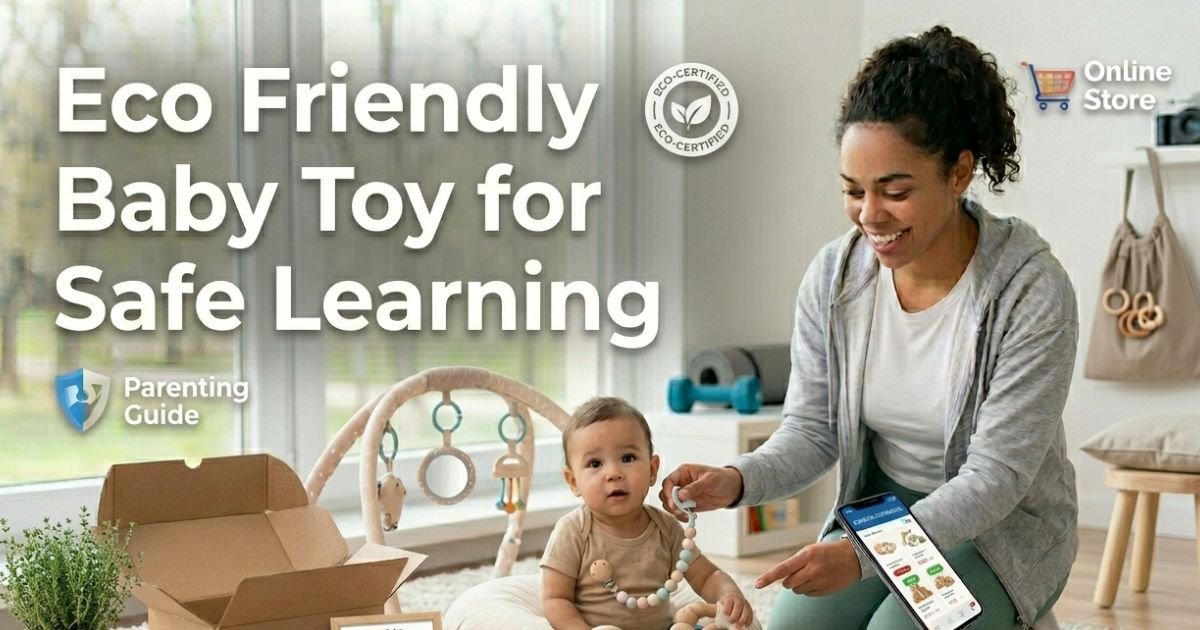

Choosing the right eco friendly baby toy can give parents peace of mind and foster a safe learning environment for little ones. In the early stages of development, babies explore everything with their senses, often putting toys in their mouths. Eco-friendly baby toys, made from natural materials, offer a safe and healthy alternative to conventional plastic toys, which can contain harmful chemicals.
In this article, we’ll explain what makes a toy eco-friendly, highlight benefits for your child’s development, outline important safety standards, and share tips on selecting the best eco-friendly baby toy from sustainable wooden blocks to organic cloth toys and beyond. By the end, you’ll know how to choose non-toxic, durable playthings that support your baby’s learning and protect the planet.
What Is an Eco Friendly Baby Toy?
An eco friendly baby toy is a plaything designed with both your child’s safety and the environment in mind. These toys are typically made from sustainable, renewable, or recycled materials, and avoid toxic chemicals. For example, safe materials include solid hardwoods (maple, cherry, walnut), 100% food-grade silicone, and natural fibers like GOTS-certified organic cotton and natural rubber (latex). Many eco-friendly toys carry labels such as FSC (for sustainably sourced wood) or GOTS/Oeko-Tex (for organic textiles) to ensure ethical sourcing and safer production standards. In short, an eco-friendly baby toy is non-toxic, durable, and often biodegradable – a responsible choice for both happy babies and a healthy planet.
Benefits of Eco-Friendly Baby Toys
- Non-toxic & Safe: Eco-friendly toys use natural materials and avoid harmful chemicals like BPA, phthalates, and lead. This greatly reduces your baby’s exposure to toxins.
- Developmental Benefits: Simple, open-ended designs encourage sensory exploration, creativity, and motor skill development. These toys support early learning in a safe, natural way.
- Durability & Longevity: High-quality eco toys are built to last. Solid wood and well-made toys often become heirloom pieces that can be passed down through siblings, reducing waste.
- Environmental Impact: Made from renewable or recycled materials, eco toys are biodegradable or recyclable, cutting down on plastic pollution. Choosing these toys helps teach children that fun doesn’t have to cost the earth.
Non-Toxic Materials & Design Tips
Look for the following materials and features to ensure a toy’s safety and eco-credentials:
- Solid Wood (Eco-Friendly Wooden Toys): Durable hardwoods like maple, cherry, or beech are dense and naturally antimicrobial. Avoid particle board or plywood, which can contain toxic glues.
- Natural Finishes: Choose toys finished with beeswax, plant oils, or food-grade oils rather than synthetic varnishes. If paint is used, it should be water-based and meet toy-safety standards.
- Food-Grade Silicone: Any silicone toy should be 100% food-grade, with no fillers or plasticizers. This material is inert and safe even in a baby’s mouth.
- Organic Fabrics (Organic Eco Friendly Baby Toys): Stuffed toys and cloth books should use GOTS-certified organic cotton or bamboo (grown without pesticides) with natural stuffing (organic cotton batting, wool, or kapok). Avoid polyester fillings and flame retardants.
- Simple Design: Choose toys with minimal parts or one-piece construction to avoid choking hazards. Open-ended toys (blocks, stacking toys) spark creativity without electronic components.
Beyond materials, check for safety certifications. In the U.S., toys must comply with CPSIA limits on lead and phthalates, and many meet ASTM F963 (addressing choking and flammability). Europe’s EN71 (with a CE mark) is even stricter on chemicals. The FSC label on wood guarantees responsible forestry. Keep in mind that these standards cover the worst toxins; many chemicals (VOCs, dyes) are unregulated. Choosing natural materials is the surest way to sidestep hidden hazards.
Eco-Friendly Baby Toys by Age
- 0–12 Months: Choose simple sensory toys like silicone teethers, wooden rattles, and fabric books. High-contrast and textured items help with early sensory development and safe mouthing.
- 1–2 Years (Toddlers): Pick an eco friendly baby toy that encourages building and sorting, such as wooden blocks, shape sorters, and simple puzzles. These support fine motor skills and problem-solving in a safe, natural way.
- 2+ Years: Look for open-ended play items like larger wooden blocks, pretend-play kits (kitchens, tool sets), and art supplies (beeswax crayons, natural clay). These enhance creativity, social play, and physical activity as toddlers grow.
Eco-Friendly Baby Toy Gifts
Eco-friendly toys make thoughtful baby gifts. Some great options include:
- Organic Plush Toys: Soft stuffed animals from brands like Apple Park are made with GOTS-certified organic cotton and non-toxic dyes, perfect for cuddles without chemical exposure.
- Montessori Wooden Sets: High-quality wooden toys (stacking rings, blocks, sorters) from makers like Bannor Toys are crafted from solid maple or walnut and finished with beeswax and natural oils. These elegant toys grow with the child.
- Silicone & Rubber Teethers: BPA-free silicone teethers or natural rubber bath toys combine safety and functionality. For example, a textured silicone teething mitt can soothe gums and stimulate motor skills without any toxins.
- Recycled Plastic Playsets: Brands like Green Toys make playsets (baths, vehicles) from 100% recycled milk jugs, free of BPA, phthalates, and PVC. These durable sets are dishwasher-safe and reduce environmental impact.
Conclusion
In summary, an eco-friendly baby toy combines safety, sustainability, and learning in one. These toys are made from safe, non-toxic materials and support your child’s development through creative play. By focusing on durable, simple designs and reputable certifications, you’ll find the best eco friendly baby toy for your little one. Whether for your own child or as a gift, eco-friendly baby toys bring peace of mind and a healthier world with every playtime.
{Your choices have the power to shape your child’s growth and the planet’s future.}
