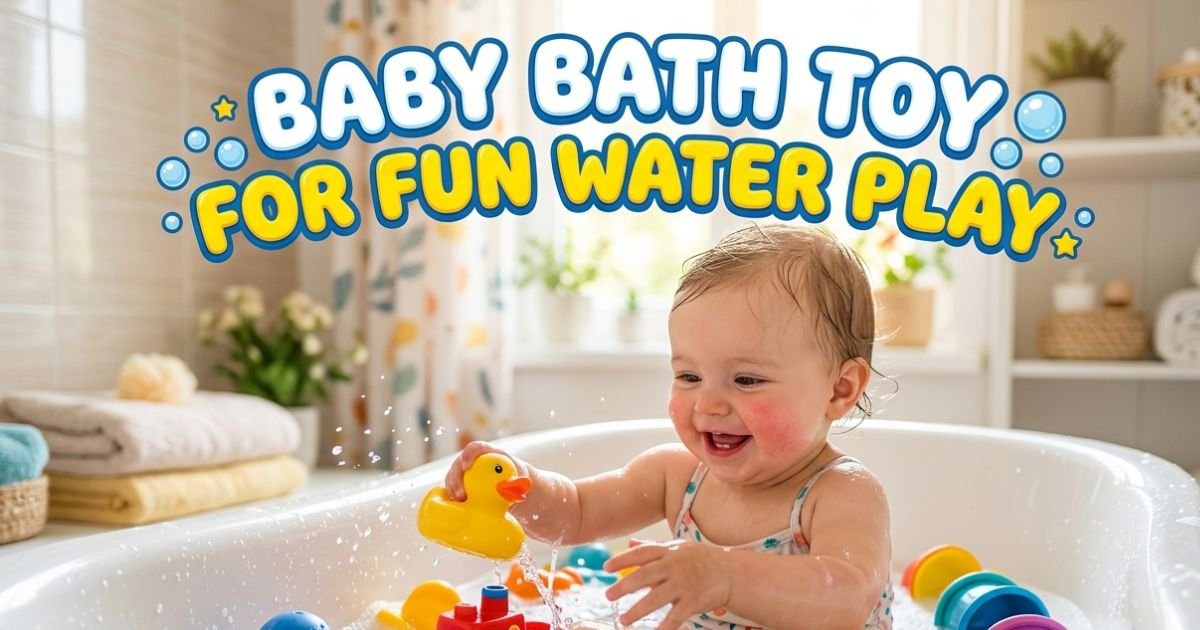

Bath time is often a highlight of the day for both baby and parent. With the right baby bath toy, a simple soak can turn into an enriching adventure full of giggles and discovery. In this guide, we’ll explore everything you need to know about baby bath toys from safe materials and cleaning tips to developmental benefits and top picks. You’ll learn how to pick a floating baby bath toy, assemble the perfect baby bath toy set, and keep bath time fun and hygienic.
What Is a Baby Bath Toy?
A baby bath toy is any small, water-safe plaything designed to entertain infants and toddlers during bath time. These toys come in many forms from floating ducks and boats to squeezable squirters and pouring cups. They are usually made of waterproof, non-toxic materials (for example, “BPA-free, phthalate-free, PVC-free” plastics or natural rubber) and have no small parts that could pose a choking hazard. Bath toys encourage sensory exploration: they let little ones splash, feel different textures, stack shapes, and learn simple concepts like full vs empty or in/out.
- Floating Fun: Many bath toys float on water. Watching a floating baby bath toy drift and bob teaches babies about buoyancy and cause-and-effect. Classic examples are rubber ducks and toy boats. A floating design means the toy stays on the water’s surface, making it easy for a baby to grab and splash.
- Pouring & Squirting: Toys that pour or squirt water (like watering cans, whales, or funnel toys) build fine motor skills. Scooping up water and then tipping it out is a simple cause-and-effect lesson “pour and it sprays back!”. These toys help babies learn hand-eye coordination and the basics of physics.
- Stacking & Nesting: Sets of cups or rings that stack teach problem-solving and motor planning. Babies learn to nest cups or stack rings in the right order, strengthening their pincer grasp and spatial reasoning. Many stacking cup sets have holes or mesh so they drain quickly, adding water-play fun without mold risk.
- Sensory & Textured Toys: Toys with different surfaces (ridges, bristles, soft bumps) provide tactile stimulation. Some water wheels or spinners let water flow through them, making gentle sounds. These sensory-rich experiences engage a baby’s senses and cognitive skills as they explore with hands and mouth.
Every bath toy should be age-appropriate. For infants, that means no small detachable parts (nothing that could fit inside an empty toilet paper tube) and materials safe to mouth. For older babies or toddlers, look for larger toys and sets that challenge them (for example, a baby bath toy for toddlers might include multi-piece sets with durable parts).
Types of Baby Bath Toys
There are many styles of bath toys to suit different ages and play goals. Below are some popular categories:
Floating Bath Toys
Green Toys Submarine – A floatable submarine toy made from 100% recycled plastic. It opens for cleaning and pours water out, combining fun with hygiene.
Floating toys are classics. Think rubber ducks, toy boats, fish, and submarines. These toys sit on the water’s surface, giving babies a chance to learn cause-effect (push the boat, it rocks!) and watch colors glide through the water. Floating toys also encourage motor skills: a baby will reach, grab, and chase the toy as it drifts. Because they stay on top, they’re usually easy to see and grab. Many floating toys have simple designs (even solids like the Green Toys Submarine) with no inner cavities, which makes them easier to clean and less likely to harbor mold.
Squirters, Whales & Water Pourers
Bath toys that squirt or pour water (such as a watering can, whales that spray, or bath toy rockets that fill and jet water) add excitement to water play. These toys have a small hole to suck in water and then squirt it out. This action develops hand squeezing strength and coordination. For example, reviewers note that “toy watering cans are always one of the best bath toys, providing hours of entertainment from the simple action of scooping water, tipping the can and watching it sprinkle back out”. When using these toys, babies learn about cause (squeeze) and effect (water sprays out), and they improve fine motor skills by grasping and tilting the toy. Just be aware that any holes or valves in squirters can trap water inside – so choose ones that open for cleaning or seal them after each use.
Bath squirter toys like these twist-open silicone figures prevent trapped water. These educational bath toys are 100% food-grade silicone, easy to open and wash, and come in cute animal shapes.
Stacking Cups & Pouring Sets
Stacking cups and bath toy sets are versatile and educational. A set typically includes 4–8 plastic cups or rings that nest inside each other or stack into towers. Many sets (like Mushie Stacking Cups) have perforations and mesh so they drain quickly. Babies can fill them with water, pour water through them, or use them to scoop. This repetitive action of filling and pouring helps develop fine motor skills and teaches concepts like full/empty and big/small. Since most cups are identical shapes, the play is open-ended: kids can race to stack them or sort by color. According to experts, these toys “support motor skills and build fine motor skills” during water play.
Stacking cups and block sets double as bathtub toy sets. A good baby bath toy set might include multiple toys of one type (e.g. 5 colorful cups) or a mix (animals + cups). For example, one popular set might contain 3 floating boats and 2 pouring cups – giving toddlers variety. These sets encourage longer play sessions and group interaction if multiple kids bathe together. Just ensure all pieces are large enough and have no small detachables.
Bath Books and Foam Letters (Optional)
Some bath toys go beyond plastic playthings. Waterproof bath books introduce stories or colors in the tub. Foam letters and numbers stick to the tub wall when wet, turning the entire bath into a learning space. These count as “educational baby bath toys” – they teach vocabulary, counting, and early literacy in a soft, safe format. While not as common as floating toys, they offer another sensory dimension (squeezing a foam page, moving pieces on water). If using these, choose ones specifically made for water (no paper pages).
The Benefits of Bath Play
Bath time is naturally a sensory-rich environment, and adding toys multiplies the developmental benefits. Research and early childhood experts highlight many ways water play supports growth:
- Sensory and Cognitive Growth: Water play is inherently sensory-rich. The feel of water, the sight of splashes, and sounds (gentle sploshes) engage multiple senses. As babies scoop, pour, and splash, they experiment and learn cause-and-effect – for example, realizing that adding more cups raises the water level. These hands-on experiences introduce basic science concepts like volume, buoyancy, and gravity in a playful context.
- Fine Motor Development: Handling bath toys refines tiny hand muscles. Squeezing a rubber duck, pouring water through funnels, and picking up small shapes all strengthen a baby’s fingers and coordination. These actions build the foundation for later skills like writing or using utensils. Each grab, twist, or stack is a mini workout for fine motor skills.
- Gross Motor and Coordination: Splashing and reaching in the tub can also engage larger movements. Toddlers might stand to chase a floating toy or lean to retrieve one from the opposite side of the tub. This improves balance and gross motor planning. The act of lifting and tilting bath toys (often up to 8–10 inches above the water) uses larger muscles in the arms and torso.
- Language and Social Skills: Playful bath time often involves parents talking through actions: naming colors (“The duck is yellow!”), counting toys, or describing movements (“Squeeze the frog – it squishes!”). This back-and-forth builds vocabulary. If siblings or playmates are present, shared toy use teaches sharing and turn-taking. Even solo play encourages “conversation” with caregivers, enriching communication skills.
- Imagination and Creativity: Bath toys open up imaginative scenarios. A cup becomes a “hat” or a pirate’s treasure boat. Floating animals spark storytelling (“duck says quack!”). This pretend play fosters creativity and problem-solving as children invent games and narratives with their toys.
- Emotional/Soothing: Finally, water itself can be calming. The warm water and gentle play help relax babies. Splashing away stress can make bath time a soothing ritual. Cheerful toys and playful interaction turn clean-up into bonding, which can reduce evening fussiness.
In summary, by picking the right baby bath toy, you’re not only making baths more fun – you’re supporting your child’s growth. Whether it’s a floating boat or a stack of cups, each splash and squirt is a step in learning.
Safety First: Choosing Safe Bath Toys
Safety is paramount, especially for infants and toddlers. When selecting any safe baby bath toy, follow these guidelines:
- Non-toxic Materials: Choose toys labeled free of BPA, phthalates, PVC, and lead. For example, Seattle Children’s Hospital recommends “phthalate-free, PVC-free and BPA-free” toys. Many modern bath toys are made of food-grade silicone or sustainably harvested natural rubber (these are chemical-free). The TubbyTodd parenting blog emphasizes soft, chew-safe materials like BPA-free silicone or natural rubber as a must for baby toys. Avoid cheap vinyl that might leach chemicals.
- No Small Parts: Bath toys should be larger than your child’s mouth. Toys for kids 3 or younger should not have pieces that fit inside an empty toilet paper roll. Check for little eyes, buttons, or detachable bits on the toy that could come loose. The Consumer Product Safety Commission (CPSC) specifically requires children’s toys (including bath toys) to have no hazardous small parts. Always examine new toys and discard packaging ribbons or plastic films.
- Hole-Free or Easy-Clean Design: Mold and bacteria love trapped water. Shobha Bhaskar, M.D. (a pediatric hospitalist), cites a study showing nearly all soft-plastic bath toys had slimy biofilms inside. To combat this, experts advise selecting “hole-free or drainable designs”. Hole-free toys (like solid rubber ducks or silicone figures that twist open) have no hidden cavities. Drainable toys (like stacking cups) have big holes so water runs right out. The safer toys allow thorough drying – you’ll then avoid germ buildup.
- Cleaning and Drying: Even the safest toy needs care. Always squeeze out excess water after play, rinse with fresh water, and let toys air-dry completely on their side – not left crammed in the tub. Pediatricians recommend routine cleaning: soak toys weekly in a vinegar solution (½ cup white vinegar to 1 gallon water) or a mild bleach solution (⅔ cup bleach in 1 gallon water), then air dry. If you spot mold inside a toy, toss it – Dr. Bhaskar advises disposing of any bath toy once mold appears. Ventilate your bathroom and store bath toys on a draining rack or in a mesh bag so they dry out fully.
- Age-Appropriate Labels: Check manufacturer age recommendations. A toy might be brightly colored and appealing, but if it’s labeled “3+ years,” it might have small pieces or complex functions unsuitable for babies. Conversely, infant toys may not engage an active toddler. Always follow the safety label on age grading.
- No Electronics or Batteries: Avoid bath toys with electronics, cords, or batteries – these can short or introduce choking hazards. Soft, simple toys are best. The TubbyTodd blog specifically warns: “No electronics or cloth – because they don’t fully dry and often grow mildew”.
By choosing wisely, you ensure that bath time remains playful and worry-free. For example, many parents love the Green Toys Bathtime Set, which is made in the USA from recycled plastic and is fully drainable and dishwasher-safe (no mold issue).
Top Baby Bath Toys and Sets
Looking for the best baby bath toy or set? Here are some highly recommended examples (each focuses on safety, durability, and play value):
- Mushie Stacking Cups: Eight colorful BPA-free cups with holes for pouring. These are dishwasher-safe and quick-drying. They build fine motor skills (stacking and pouring) and teach colors. Parents note that they keep toddlers busy for lots of splashing fun.
- Green Toys Submarine: A chunky yellow submarine made from 100% recycled plastic. It floats and doubles as a pour spout. Its back opens fully, so you can rinse and dry it – keeping mold at bay. It’s sturdy and chemical-free, so safe even if baby chews on it.
- Olababy Silicone Bath Toys: Adorable animal figures (whale, duck, fish) made of 100% food-grade silicone. They are completely sealed with no holes inside. This means water can’t get trapped. They’re soft and chewable, ideal for the littlest bathers.
- Hevea Natural Rubber Toys: Made from sustainable rubber with food-grade paint, these eco-friendly ducks and whales have no hidden openings. They’re biodegradable and free of harmful chemicals. Toddlers love squeezing them, and parents love that they’re naturally mold-resistant.
- Loulou Lollipop Bath Squirters: Cute silicone squirters (in fun shapes like cherries) that twist open for drying. Each piece splits apart so you can wash and air-dry inside, preventing any trapped moisture. Little hands find them easy to grip and squirt, and caregivers appreciate that they stay clean.
- Bath Toy Sets (Stacking/Building): For toddlers, sets like Ubbi Interchangeable Toys (colorful floating figures that pop open for cleaning) or Boon Pipes & Cogs (suction-pipe building sets) are great. They encourage problem-solving as kids build water channels on the tub wall. All pieces are large and dishwasher-safe. TubbyTodd highlights these as excellent “toddler toys that grow with them,” noting they are modular, drainable, and encourage independent play.
Each of these options meets high safety standards (soft materials, no toxins) while delivering on fun. As the TubbyTodd blog emphasizes, the best baby bath toys are those “built to stay clean and safe, even after dozens of dips in the tub”. By choosing well-designed products (like the ones above), you minimize the hassle of mold and maximize enjoyment.
Tips for Safe, Fun Bath Time
- Supervise Constantly: Never leave a child unattended in the bath. A responsible adult should always be within arm’s reach, even if the water is shallow.
- Set the Water Temperature: Use a bath thermometer or your elbow to keep water warm (about 100°F/37°C), never hot.
- Limit Water Level: For babies and toddlers, 3–4 inches of water is enough. Too much water increases drowning risk.
- Dry Toys Between Uses: After each bath, squeeze out toys and shake off water. Place toys on a mesh hanger or rack so air can circulate and they dry fully.
- Rotate Toys: Like any toys, bath toys get old. Keep a few in rotation and occasionally replace worn or suspect ones. Throw away any toy that is cracked, broken, or constantly moldy despite cleaning.
- Include Learning: Make bath time educational. Count the ducks as you put them in the water. Sing a color song about the toys. Ask your toddler to find the blue boat. Interactive play boosts development.
- Have a Routine: Keep bath supplies (towels, cleanser, toys) in a bag or caddy so you’re organized. Use a non-slip mat. A soothing bath time routine helps baby relax and builds positive associations.
By combining safe practices with imaginative play, you turn bathing into valuable one-on-one time. Remember that even without toys, a simple bath is fun for children (the AAP notes that bath time is stimulating enough without extras). But if you do choose toys, following these tips ensures it’s a healthy, happy play environment.
Conclusion
Baby bath toys can transform everyday baths into magical moments of play, learning, and bonding. When chosen carefully using non-toxic, mold-resistant designs you get all the benefits (better motor skills, sensory fun, early science lessons) without the downsides. From floating baby bath toys like boats and ducks to baby bath toy sets of stackable cups or squirters, there are options to suit every age and interest. Just remember to keep safety first: always supervise, keep toys clean and dry, and swap out anything that wears out.
In the end, the best baby bath toy is one that sparks your child’s curiosity while giving you peace of mind. We hope this guide helps you pick the safest, most fun bath time companions. Make a splash and enjoy these special moments your baby will love the giggles and you’ll love seeing them learn and grow!
