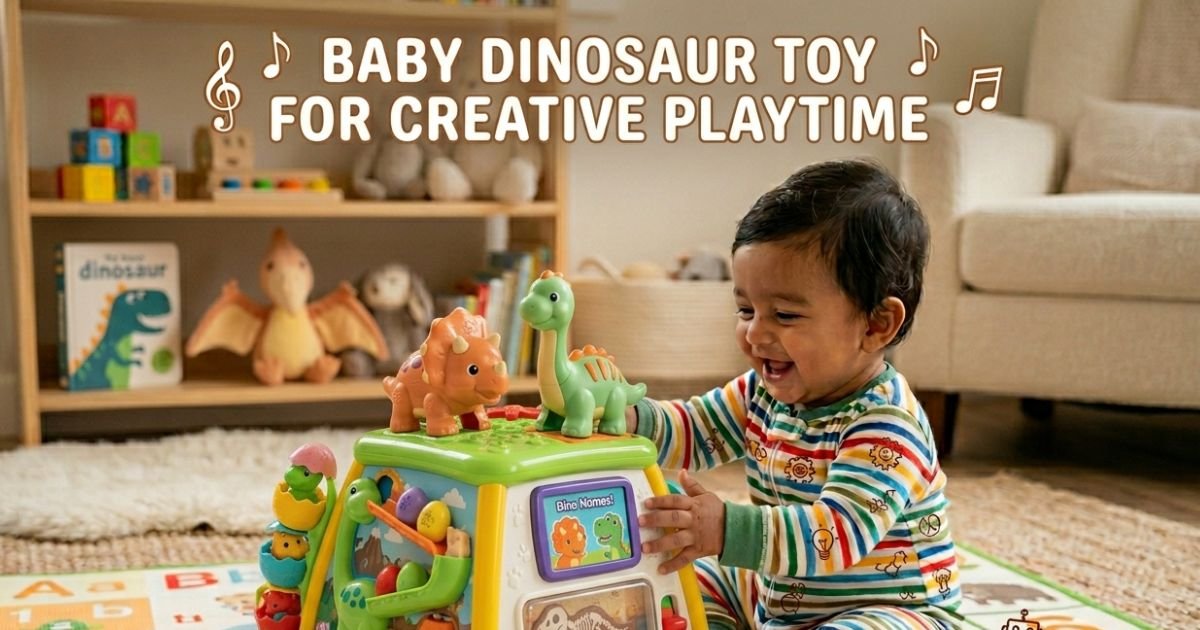

A baby dinosaur toy can do more than just delight little ones it can spark creativity, learning, and comfort. In this comprehensive guide, you’ll discover what makes a baby dinosaur toy special, explore different types (from soft plush dinosaurs to realistic plastic figures and sensory playsets), and learn how these toys support early development. We’ll cover the benefits of dinosaur playtime, key safety and age guidelines, examples of popular toys (like plush dinos and LEGO Duplo dinosaur sets), and tips for choosing the right toy for your child. By the end, you’ll know how to pick the best dinosaur toys to make playtime creative, educational, and safe.
What Is a Baby Dinosaur Toy?
A baby dinosaur toy is any toy designed with a dinosaur theme and sized or styled for infants and toddlers. These can range from soft baby dinosaur toys (plush stuffed dinosaurs or beanbag dinos for cuddling) to baby dinosaur toy sets (like building kits or plastic figurine packs). Many are tailored to babies and toddlers with soft materials and simple shapes, but some “realistic baby dinosaur toy” figurines also exist for older toddlers. A baby dinosaur toy often includes age-appropriate features (soft textures, bright colors, simple sounds) and is a fun way to introduce little ones to prehistoric creatures.
- Definition: A baby dinosaur toy can be a plush dino, a plastic baby dino figure, a sensory dino activity toy, or even a Dino-themed building set.
- Design: These toys are typically baby-safe (no small parts or sharp edges) and sized for tiny hands. For example, a pack of soft plastic baby dinos may include dozens of small figures (each ~4½ inches long) and a carrying case.
- Variety: There are purely decorative plush dinosaurs for nurseries, interactive dinosaur learning toys with sounds or crinkle fabric, and realistic dinosaur models that mimic baby dinosaurs. For toddlers, even “walking” or battery-operated baby dinosaur toys exist for active play. The variety means there’s a dinosaur toy to fit every baby’s needs.
Types of Baby Dinosaur Toys
Baby dinosaur toys come in several types, each offering unique play experiences. Below are common categories:
-
Soft Plush Dinosaurs: These soft baby dinosaur toys are made of plush fabrics (like polyester or cotton). They are cuddly and comforting for infants. Many have embroidered eyes and features (no small hard parts) for safety. Example: A Carter’s beanbag plush dino (8″ tall) is made with ultra-soft polyester and works for ages 0+. Cloud Island™ offers a recycled polyester dinosaur plush suitable for newborns.
-
Interactive & Educational Toys: These educational baby dinosaur toys include sensory and learning features. For instance, some plush dinosaur toys jingle, crinkle, or have attached links for strollers. They may include numbers, letters, or shapes on them. The Itzy Ritzy “Traveler Learning Toy Dino” is a cotton sensory plush with crinkles, textures, and a stroller clip. These help develop senses and fine motor skills while introducing dino fun.
-
Plastic Figures & Toy Sets: Durable plastic baby dinosaur toy sets often come as collections of small dinosaurs or playsets. For example, Turner Toys sells a 35-piece pack of “soft plastic baby dinosaurs” in 5 different species. These are great for imaginative play (creating dino habitats or stories) and can be washed easily. Some sets mix a parent dinosaur with smaller “baby” figures. LEGO DUPLO even has a Jurassic World dinosaur nursery set (ages 2+) with three baby dinosaur figures and large bricks for building.
-
Bath & Teething Toys: Some baby dinosaur toys are designed for water play or teething. (For example, there are floating rubber dinos for the tub and BPA-free silicone dino teethers – always check labels for BPA-free plastics.)
-
Bath Toys (dinosaur-themed): Bath-friendly dinosaur figures or squirt toys add water fun. Ensure they are mold-resistant. (Note: avoid leaving toys in water too long to prevent mold.)
Below is a comparison of plush vs plastic dinosaur toys:
| Feature | Plush (Soft) Toys | Plastic/Figurine Toys |
|---|---|---|
| Material | Ultra-soft fabrics (polyester, cotton) | Non-toxic plastics (BPA-free if possible) |
| Safety | Machine washable; embroidered parts (no small eyes) | Durable, easy to clean; ensure no small parts for <3 |
| Use | Cuddling, comfort, gentle play | Imaginative play, group play, educational play |
| Age | Newborns and up (even 0+) | 2+ or 3+ years (depending on piece size) |
| Pros | Extra cuddly and safe for infants | Realistic detail, fosters creativity, often a set for group play |
| Cons | Less interactive features, wear & tear from chewing | Small parts can be choking hazards, check BPA/phthalates |
Benefits of Baby Dinosaur Toys
Dinosaur toys offer more than fun they support development. Experts note several key benefits of playing with dinosaur toys:
- Imaginative Play: Baby dinosaur toys encourage creative scenarios. Children might pretend to be paleontologists or invent dinosaur adventures, which boosts creativity and storytelling skills.
- Early Science & History: Playing with dinosaurs can spark interest in natural history. Kids learn dinosaur names, habitats, diets, and eras as they explore their toy dino world. This introduces basic science concepts.
- Language Development: Interacting with toys (or caregivers) about dinos helps build vocabulary. Asking questions or describing dinosaur actions fosters communication skills.
- Fine Motor Skills: Handling dinosaurs whether button-pushing, pulling apart Lego bricks, or grasping plush figures refines small hand movements. For example, attaching Lego pieces to a dino set or manipulating sensor toys helps hand-eye coordination.
- Social Skills: Dinosaur play often involves sharing and teamwork. Playing in groups (imagine building a dino park with friends) teaches turn-taking and cooperation.
- Emotional Growth: Through pretend play, children can safely act out emotions. For example, they might role-play caring for a “dino baby” or enact a dinosaur adventure, which helps them process feelings like excitement or fear.
- Comfort and Security: Soft baby dino toys (like plush dinosaurs) can become favorite snuggle companions, helping soothe infants and toddlers. A huggable dinosaur can offer emotional comfort akin to a security blanket.
Indeed, one target reviewer noted that a plush dinosaur set became a “favorite for cuddling”, emphasizing how realistic and soft the toy felt. Another key point is that dinosaur toys often come in sets or families (e.g., a mama dino with baby dinos), which expands play and imagination.
Safety and Age Guidelines
Safety is paramount with toys for babies and toddlers. Parents should look for toys that meet regulatory standards and age recommendations:
- Choking Hazards: By U.S. law (ASTM F963/CPSC rules), toys intended for children under 3 must not contain small parts that fit entirely into a 1.25×2.25 inch cylinder (the size of a toddler’s throat). Animatronic Park advises avoiding any toy pieces smaller than about 1.25 inches to curb choking risk. Always check the box: toys for ages 0-2 are tested to ensure parts won’t detach.
- Non-Toxic Materials: Baby toys should be BPA-free and phthalate-free. Many plastic dino toys now explicitly state “BPA-free” on their labels. For example, the advice from safety experts is: “opt for non-toxic, BPA-free plastics meeting ASTM F963/EN71 safety standards”. Plush dinosaurs should be made from hypoallergenic, machine-washable fabrics. The Cloud Island™ dino plush, for instance, is made from 100% recycled polyester and is suitable for newborns and up.
- Age Labels: Check manufacturer age recommendations. Soft plush dinos may be labeled 0+ or Newborn and up. Interactive or building sets might be 2+ or 3+. Age labels consider small parts and developmental stage.
- Secure Features: For stuffed dinosaurs, look for embroidered eyes and stitched decorations instead of plastic googly eyes or buttons, to avoid a baby tearing them off. In fact, the Lambs & Ivy plush dino advertises “no hard eyes or nose,” highlighting it’s safe even for infants.
- Certifications: Many reputable brands mention ASTM F963 or CE marking on their labels (indicating compliance with U.S. or EU toy safety standards). For example, the Lambs & Ivy Spike plush notes “Meets ASTM Standards”. This ensures testing against hazards like flammability and toxic substances.
- Inspect Toys Regularly: Even safe toys wear out. Check plush seams for loose stuffing, and inspect plastic dinos for cracks or sharp edges. Washable toys like cloud island dinos can be cleaned to remove germs.
Parents should also supervise play. Dinosaur toys with sounds should not be too loud (some dino sound toys include volume controls). Overall, following age guidelines and warnings (e.g., “Choking Hazard: Small parts. Not for children under 3.”) will keep dino playtime safe.
Choosing the Best Baby Dinosaur Toy
When selecting a baby dinosaur toy, consider the child’s age, interests, and safety. Here are some key tips:
- Match the Age: For infants (0-12 months), choose soft plush dinos or simple rattles and bath toys with no detachable parts. Look for labels like “0+ months” or “0-2 years”. For older toddlers (2+), you can introduce toy sets and figures, but still check the small-parts rule.
- Material & Quality: Opt for high-quality, BPA-free plastics and non-toxic fabrics. A fluffy plush dinosaur like Lambs & Ivy’s “Spike” or Carter’s beanbag dino can be both safe and durable. Avoid cheap dyes or fillers; sometimes spending a bit more on a name brand ensures better materials (animatronicpark.com notes generic brands sometimes fail BPA tests).
- Soft vs Hard: If you want a soft baby dinosaur toy that comforts, pick a plush with embroidered features. For imaginative play, a set of plastic baby dinos (like the 35-pack of soft-plastic dinos) is great. Soft dinos often double as comfort items and can stimulate pretend play by becoming “real” pets or friends.
- Educational Features: For an educational baby dinosaur toy, look for features that engage a baby’s senses. As an example, Itzy Ritzy’s dino plush has sound and texture features. Or choose puzzle books about dinosaurs, or a building set like LEGO Duplo’s Jurassic set which builds fine motor skills.
- Development Stage: Think about what skills to encourage. To help motor skills, small graspable dinos or soft blocks are good. To boost language, pick toys with names or stories (dinosaurs have great names!). For social play, a set of many dinos means multiple kids can join.
- Durability: Babies can be rough. Check that any buttons or parts on the dinosaur toy are securely fastened. Machine-washable features (like Spike the plush being washable) are a plus.
- Realism & Imagination: A realistic baby dinosaur toy (e.g., a model dinosaur figure with lifelike detail) can help older toddlers recognize real species, but ensure it’s still safe for them. Turner’s plastic baby dino pack has realistic species like Stegosaurus and Triceratops. For a compromise, soft toys can be shaped realistically too, like the Cloud Island recycled polyester dino.
- Best Picks & Reviews: Look at reviews to gauge quality. For instance, a popular 17″ plush set (“Mommy Dinosaur with 3 Babies”) is praised for being “cute and exactly as pictured” and very cuddly. However, some reviewers note size expectations – always check dimensions.
Checklist Before Buying: Age rating, material (e.g. BPA-free plastic or hypoallergenic fiber), size of parts (avoid <1.25″ pieces), and cleaning instructions. If it’s a set or electronic toy, make sure batteries or assembly won’t be an issue.
Engaging Creative Play with Dinosaur Toys
To maximize the fun and learning from your baby’s dinosaur toys, try these creative play ideas:
- Storytelling Adventures: Encourage your child to tell a story about their dinosaurs. Perhaps “Dino Mama is looking for her babies” or “The little T-Rex goes on a picnic.” This boosts language and imagination. You can prompt with questions like “Where will they go today?” or “What sounds does your dino make?”.
- Build a Dino Habitat: Use pillows, blocks, or sandboxes to create a prehistoric jungle. Let baby dinos roam through leafy plants (real or paper ferns). This combines imaginative play with sensory exploration.
- Dino Songs and Rhymes: Sing songs about dinosaurs or put on a friendly dino puppet show. You might even dance the “dinosaur stomp” around the room. Rhythmic play can soothe babies and entertain toddlers.
- Mix with Books: Read dinosaur-themed picture books alongside play. For example, read about a Brontosaurus and hold a matching plush Brontosaurus. This links play with learning facts.
- Sensory Play: If you have a soft baby dinosaur toy, use it during cuddles and nap time for emotional comfort. For baby dinosaur toy set figures, incorporate them into sand or water play (e.g., a sandbox fossil dig). Just ensure play materials are safe for your child’s age.
- Grouping & Social Play: If you have multiple dinos or playdates, take turns making your dinosaur roar or hiding a dino egg. Group play teaches sharing and cooperation.
- Crafting and Coloring: After or before play, draw or color dinosaur pictures together. Perhaps your toddler can scribble a “big red dinosaur” to match the plush red T-Rex they hugged. This reinforces color names and creative expression.
- Interactive Feeding Game (for infants): Some baby dinosaur teething toys double as rattles. Gently shake or squeak them while baby watches your face, helping them learn cause-and-effect (and usually making them giggle).
- Rotate Toys for Novelty: Introduce one dinosaur toy at a time and rotate them weekly. Even a familiar toy feels new after being away, keeping baby engaged.
By weaving dinosaur toys into daily routines and play scenarios, you encourage multiple skills: fine motor (when gripping a dino), gross motor (dancing or stomping with a dino in hand), and cognitive (telling stories about their dinosaur).
Conclusion
Baby dinosaur toys make playtime magically prehistoric and educational all at once. From soft plush dinos perfect for snuggles to hands-on building sets and realistic figures, there’s a wide world of options. The key is to choose safe, age-appropriate toys (follow the 1.25-inch rule and look for non-toxic materials) and to let your child’s imagination roam free. Dinosaur play can boost creativity, introduce science concepts, and develop motor and social skills.
When shopping, consider what you want a cuddly plush dino that becomes a bedtime buddy, or an interactive educational toy with numbers and textures (like a pull-along dino). Read reviews for build quality and softness, and remember to rotate toys and play along with your child to spark stories and giggles.
Above all, have fun! A baby dinosaur toy isn’t just a toy it’s a prehistoric pal that can inspire a lifetime love of learning. Choose one that your little one loves to touch and hug, and watch them roar with joy.
