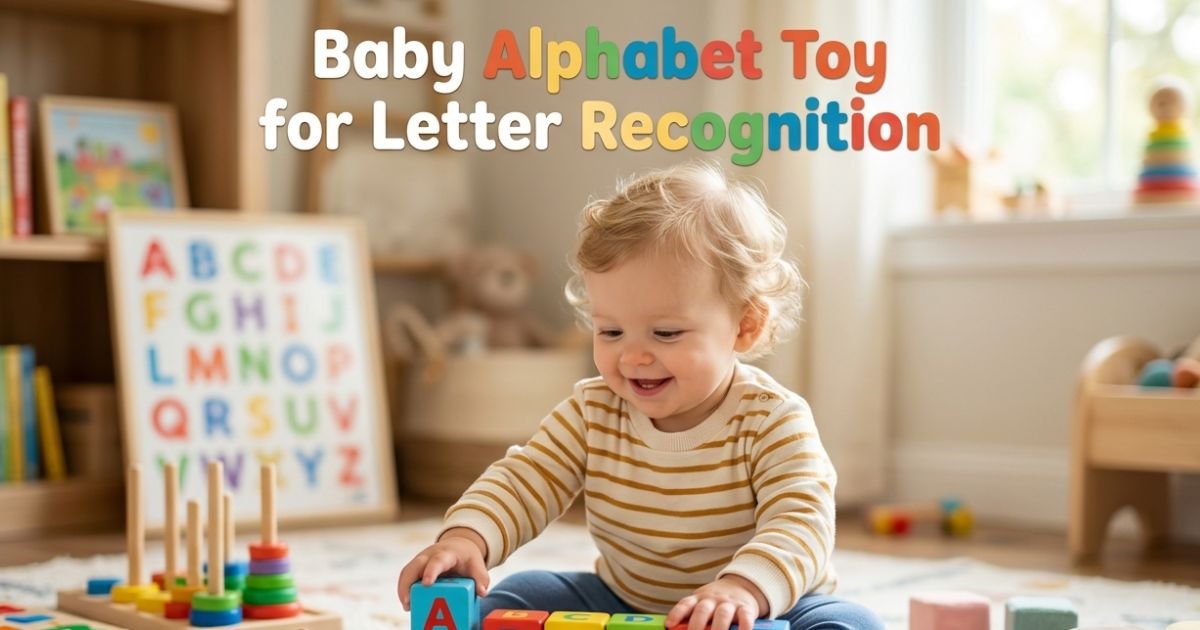

Introducing letters through play is one of the most effective ways to build early literacy. A baby alphabet toy engages infants and toddlers with colorful letters, sounds or textures, making learning fun and memorable. In this guide, we’ll explore why letter recognition is important, when to start playing with alphabet toys, what types of toys work best (including wooden and interactive options), and how to use them to support your child’s learning. You’ll find tips, examples, and comparisons to help you choose the right alphabet toy for your little one.
Children’s brains grow rapidly in their first years, and even simple exposure to letters can spark interest in reading. Alphabet toys from classic blocks to musical learning stations – give kids a hands-on way to practice letter recognition. As one expert notes, alphabet knowledge is “essential for children’s future reading and writing” and is “one of the most important early childhood emergent literacy skills”. In fact, knowing letters (both names and sounds) is among the best predictors of later reading success. By introducing letters through play, parents set the stage for lifelong learning. In the sections below, we’ll cover the benefits of letter play, key milestones, toy options, safety, and practical tips for making alphabet play part of your daily routine.
Why Letter Recognition Matters in Early Childhood
Letter recognition is simply the ability to identify individual letters of the alphabet by sight (and ideally knowing the sound each letter makes). This skill is critical because it lays the groundwork for reading and writing. As children learn to pick out letters, they connect those symbols to sounds and words. Here are some reasons alphabet knowledge is so important:
- Reading readiness: Knowing letters is a fundamental building block for reading. Children who can recognize letters quickly and accurately are better prepared to decode words. One literacy study notes that children’s alphabet knowledge is one of the best predictors of their later reading ability. In other words, early letter learning goes hand-in-hand with future reading success.
- Early writing skills: Recognizing letters supports writing and spelling. When kids know letters, they start to form words and even write them. Research shows that once children identify letters, they can begin matching them to sounds and combining them to spell words (e.g. assembling “c-a-t”). Early fun with alphabet toys helps kids see letters as building blocks for words.
- Phonemic awareness: Letter play also builds phonemic awareness (the ability to hear and manipulate sounds). Many alphabet toys encourage kids to say letter names and sounds as they play. For example, putting a letter puzzle piece in place and saying “P – puh, P” helps a child link the visual symbol to its sound. This multi-sensory experience reinforces how letters and sounds connect in spoken language.
- Cognitive and motor skills: When children handle letters whether fitting puzzle pieces or stacking blocks they develop fine motor skills and spatial awareness. For example, tracing or fitting wooden letters on a board helps tiny fingers and supports hand-eye coordination. These challenges also teach problem-solving: kids figure out which letter goes where, building persistence and critical thinking.
Importantly, children benefit from encountering letters in a low-pressure, playful way. Experts emphasize that early exposure should be natural and fun, not forced memorization. Alphabet toys turn letters into playthings, making letters less abstract and more concrete. Montessori educators highlight that using multiple senses (sight, touch, sound) when learning letters for instance, hearing the sound “m,” feeling a sandpaper ‘m,’ and seeing the symbol makes letters “more memorable and tangible”. In practice, this means that interacting with letters (by touching, saying, or playing) helps children learn far better than rote memorization.
Moreover, learning letters is a gradual process. Most kids begin to show letter recognition in preschool (around ages 3–4) and master the alphabet by kindergarten. However, playful exposure can start much earlier. Babies and toddlers may not instantly know every letter, but they will become familiar with the shapes and sounds over time. Even if a child doesn’t “know” the alphabet at 2, an alphabet toy can start planting the seeds for those letters in a relaxed way.
When and How to Introduce Alphabet Toys
Age and readiness: There’s no single “right age” to start letter play, but it can be as early as infancy. Children learn through play, so offering alphabet toys when a baby shows interest is fine. Usually, by about 1 year old, many toddlers will enjoy bright, simple letter toys (like soft blocks or interactive crinkly books). Between 2–3 years, most children can handle and explore letters more intentionally. By ages 3–5, preschoolers often recognize several letters and benefit greatly from games and puzzles.
Rather than focusing on exact ages, look for signs your child is curious about letters or language. You might notice them singing the ABC song, pointing at letters on signs or screens, or stacking letter blocks. When that happens, it’s a great opportunity to add a letter toy to playtime. According to developmental experts, by 3–4 years children typically start recognizing letters, and by 5–6 they know most letters. But even before age 3, you can use alphabet toys for exposure: for example, naming letters as you point to them, or letting baby mouth a wooden letter (since letters on toys are big enough).
Playful approach: Emphasize exploration over drilling. Organizations like NAEYC (National Assoc. for the Education of Young Children) warn against teaching toddlers via flash cards or rote memorization. Instead, they advocate describe-and-play methods. That means: talk about letters and sounds naturally during play. For example, when giving baby an alphabet puzzle piece, say “This is B. B says /b/.” Or if at the park, point out a letter on a sign (“Look, M says /m/, Mommy’s letter”). Focus on rich language and conversation: narrate your activities with letter words (“Time to brush your t-e-e-t-h, that starts with T!”) rather than expecting baby to memorize.
FirstCry Parenting suggests fun, everyday tips for letter learning: “Make it fun” with games and activities, point out letters in daily life, and repeat often. For example, you could sing the alphabet song together, find letters on cereal boxes at breakfast, or use bath foam letters as sponges. Repetition helps – hearing and seeing a letter many times helps recognition. Also encourage scribbling and letter writing (with crayons or chalk) to connect the shape of a letter to your child’s hand movements. These playful, repeated experiences naturally reinforce letter recognition without pressure.
Safety and supervision: Always choose age-appropriate alphabet toys. For babies who mouth everything, avoid small magnets or batteries. Pediatricians advise wooden toys over plastic for infants, since plastic can contain unwanted chemicals (phthalates) that young children often ingest. Wooden alphabet blocks and puzzles are often labeled safe and non-toxic. Always supervise play with small pieces, and check toys regularly for wear.
Types of Baby Alphabet Toys
Alphabet toys come in many forms. Here’s an overview of popular types, with pros and cons:
- Wooden Alphabet Puzzles & Blocks: These are classic and durable. A wooden alphabet puzzle typically has 26 letter pieces that fit into a board (often in A-Z order). This self-correcting puzzle teaches kids to recognize shapes as they match letters to slots. Wooden letter blocks let babies stack and knock over, while printed letters on the sides introduce the alphabet. Pros: Non-toxic, sturdy, tactile (great for fine motor skills), often include all letters, and can be kept for years. Wooden toys usually contain no harmful plastics, a safer choice for toddlers. They offer sensory learning: children feel the shape of each letter and learn by fitting or stacking. Cons: Not electronic so they rely on parental interaction to teach sounds/names. Puzzles sometimes have pieces that can be lost if not careful.
- Interactive Electronic Toys: These battery-powered toys might play songs, pronounce letters, or have light-up screens. Examples include alphabet playmats with lights, electronic books that say letter names, or magnetic letter sets with audio. Pros: Highly engaging for many kids – lights and sounds can hold a toddler’s attention. They often teach phonics (letter sounds) as well as names. Kids hear letter songs or quizzes. Some, like LeapFrog’s Fridge Phonics, let a child press a letter magnet and hear it say the name and sound. Parents often report toddlers love these interactive features. For instance, one dad noted his 18-month-old “camps out on the kitchen floor” playing with a musical fridge alphabet toy. Cons: Require batteries or power. Sometimes lights and sounds are overwhelming. They may be prone to breaking. And (importantly) they can encourage passive play unless guided – so balance with active, hands-on play. If using electronics, look for age-appropriate volume levels and durability.
- Alphabet Books & Flashcards: These aren’t toys per se, but boards and cards with letters and pictures. They can be turned into games (like matching letters to pictures). Many feature bold colorful letters and familiar objects (“A for Apple”). You can cut out letters to make a scavenger hunt. Flashcards emphasize memorization, so they’re better for older preschoolers than babies, but simple board books with textures (like touch-and-feel letters) are great for infants.
- Bath Toys: Foam or plastic alphabet letters that stick to the tub walls when wet. These make bathtime learning: toddlers can press the letter, name it, and stick it on the wall. Pros: Water-safe play, good for rote practice of letter names without choking hazard (foam sticks). Cons: Typically uppercase only, limited interactivity. Beware small parts or cheap plastic.
- Magnetic Letters: Sets of magnetic plastic letters (often uppercase) for the fridge. Kids can learn letter shapes by holding them, or spelling simple words. Pros: Reusable on metal surfaces, colorful. Cons: Plastic (check for safe materials), small magnets are a hazard if swallowed – only use larger magnets that don’t come off easily.
- Stacking and Building Toys with Letters: Some sets combine blocks or cubes that connect, and letters are printed on them. Children build towers or structures and learn letters from each block. These help creativity and alphabet learning simultaneously.
When choosing a toy, consider your child’s age, interests, and safety. For a young baby, soft or large wooden letters are best. For an active toddler, an interactive musical toy might keep them engaged. For a preschooler, puzzles and games that require matching letters or spelling simple words can be both fun and instructive.
Regardless of the toy type, the goal is to encourage exploration of letters. Let kids press, hold, turn, and play. See, Sound, and Touch: The best alphabet toys combine the visual (seeing the letter), auditory (hearing its sound), and kinesthetic (touching/manipulating it) cues. Montessori-style toys, for example, use sandpaper letters that feel rough while the child hears and repeats the sound. Wooden puzzles give clear visual cues (different shapes) and require a matching action, reinforcing recognition. Interactive gadgets provide audio and visual stimuli to hold interest. Any toy that prompts your child to name the letter or its sound is building their literacy foundation.
Wooden vs. Plastic: Safety and Sustainability
Wooden baby alphabet toys are often preferred for infants and toddlers. Pediatric specialists advise choosing wooden or natural materials for babies (0–3 years) because little ones mouth toys and plastic can expose them to harmful chemicals (like phthalates). In fact, experts from Seattle Children’s Hospital explicitly recommend opting for wooden toys and avoiding plastics for young kids to prevent chemical exposure. Most wooden letter toys are made from quality wood and non-toxic paint, making them a safe, long-lasting choice. They also tend to be eco-friendly and heirloom quality – kids can pass them to siblings or even the next generation.
Plastic alphabet toys (blocks, bath letters, electronic gadgets) have the advantage of bright colors and interactivity, but parents should buy trusted brands that follow safety standards. Look for BPA-free, phthalate-free labels and supervise use of any small pieces or batteries. Plastic toys are durable and easily cleaned, but if your child tends to chew things, a wooden block might be safer.
In summary, for infants and early toddlers, consider wooden sets (puzzles or blocks) as a primary option. As children get older and are no longer teething or ingesting objects, plastic interactive toys can be introduced for variety.
How to Use Alphabet Toys: Tips and Strategies
To get the most out of a baby alphabet toy (educational or interactive), integrate it into playful learning. Here are actionable tips:
- Make it fun and interactive: Turn learning into games. For example, hide letter blocks around the room and ask “Can you find all the A’s?” or build a “letter tower.” Use a cheerful tone and celebrate successes (“Yes, that’s the letter B!”). As FirstCry advises, “Make it fun…incorporate games and activities that make learning letters … interesting and enjoyable”.
- Use letters in daily life: Use everyday opportunities to point out letters: “C is on the cereal box,” or “Let’s sing the alphabet together while we wait in line.” You can label objects at home (“D on the door”), or when reading books point out words and letters. According to child education experts, connecting letters to your child’s world (like names or objects) makes them more meaningful.
- Repeat consistently: Repetition helps children learn letters. Have at least one routine involving letters daily. For instance, during mealtime, play the alphabet song or name the letter of the day. Even hearing “T is for toy” frequently helps baby absorb the association. One expert note: “Repetition is key…exposed to the letters and their sounds multiple times…in different contexts and activities”.
- Talk about sounds, not just names: While toddlers can learn letter names, Montessori-style learning and modern experts emphasize focusing on the sound each letter makes. For example, say “B says /b/,” rather than “B is ‘bee’.” This phonetic approach (emphasized by many educators) helps kids blend sounds into words later. If using an alphabet toy, model the sound: “When you put in B, it makes /b/” (if the toy has sound) or say it yourself.
- Encourage hands-on play: Give your child plenty of time to handle the letters themselves. If using a puzzle, let them place the piece in the board on their own. If reading an alphabet book, have them hold and point at pictures. The physical act of touching and moving letters reinforces memory. Let them experiment (even make “mistakes” like putting a C into an O-shaped slot) and gently guide them. Children learn through trial and error as well each attempt reinforces their understanding of letter shapes.
- Balance screen time: Some apps and videos teach letters with animations. These can supplement learning, but do so in moderation. As one expert tip suggests, interactive games and apps can be fun and engaging, “but don’t forget to balance screen time with other activities”. Always choose educational apps designed for the right age, and use them together with real-world letter play.
- Positive reinforcement: Praise effort (“Good try!”) and curiosity (“You found the letter M!”) to build confidence. Don’t force your child to memorize all letters at once – some letters are harder than others. Give them time; letter learning unfolds at their pace.
By weaving alphabet toys into play and daily routines, learning happens naturally. Over time, your child will start identifying letters they see on signs, labels, or even their own name on art projects.
Choosing the Best Baby Alphabet Toy Set
What makes a baby alphabet toy the “best”? There’s no one-size-fits-all answer, but here are criteria and examples to consider:
- Comprehensiveness: A good set includes all 26 letters (at least uppercase to start) so your child can eventually see the whole alphabet. Some sets also include numerals. If buying blocks or puzzles, check that every letter is included. A “baby alphabet toy set” often refers to a complete collection of letters (e.g. 26 wooden blocks or puzzle pieces).
- Age-appropriateness: For infants, choose large, chunky letters (avoid choking hazards). For toddlers, puzzles or magnetic letters are great. For preschoolers, sets with lowercase letters or words might be suitable. Always follow the manufacturer’s age recommendation.
- Durability and safety: Look for solid construction. Wooden puzzles (like those from Melissa & Doug or similar brands) are known for sturdiness. Smooth finishes without sharp edges are important. For plastic sets, ensure they are non-toxic and BPA-free.
- Engagement: Some toys include extras like pictures (A with Apple) or sound effects. Others are very simple (plain wooden shape). The best toy for your child will hold their interest. If your toddler loves music, an interactive singing alphabet toy could be ideal. If they enjoy puzzles, a self-correcting wooden board puzzle might be best.
- Reviews and reputation: Check reviews or ask other parents. For instance, many parents praise a wooden alphabet puzzle for durability and learning value, while others love a musical toy that sings letter songs. Trusted brands (Melissa & Doug, LeapFrog, VTech, Fisher-Price) often have popular alphabet products.
- Educational design: Some alphabet toys incorporate shapes, colors, or textures. Montessori-inspired toys might have sandpaper letters. Smart toys (like those that connect to apps) blend physical play with digital learning.
Ultimately, the best baby alphabet toy is one that your child enjoys and that fits into your routine. You might even build a “collection” of alphabet toys over time: a set of wooden blocks for stacking now, an ABC puzzle for table play, and later an interactive book or tablet app. Having a variety from simple to more complex – allows your child to use different skills and keeps learning fresh.
Featured Snippets: Quick Answers and Lists
-
What is a baby alphabet toy?
A baby alphabet toy is any toy designed to introduce letters (the ABCs) to infants and toddlers. Examples include wooden letter puzzles, alphabet blocks, magnetic fridge letters, and electronic toys that sing the alphabet. These toys help children learn to recognize letter shapes and sounds in a playful way. -
Why use alphabet toys?
Alphabet toys turn letter learning into fun. They engage multiple senses (sight, touch, sound) and help build early reading skills. Recognizing letters is a key step toward reading; alphabet toys give kids hands-on practice with each letter. -
When should my child start using an alphabet toy?
You can introduce alphabet toys anytime after infancy, typically by 1–2 years old. Start with simple toys (like foam letters in the bath) for toddlers. By preschool age (3–4), children can use more complex toys like puzzles or board games. The key is to follow your child’s interest and readiness, rather than an exact age. -
Wooden vs Plastic alphabet toys – which is better?
Both types have pros and cons. Wooden toys are durable, non-toxic, and encourage tactile learning. Experts recommend wood for little ones to avoid plastic chemicals. Plastic or electronic toys often have lights and sounds that entertain, but make sure they meet safety standards and are suitable for your child’s age. -
How to encourage letter learning at home?
Use alphabet toys in games and everyday life. Play the alphabet song, read ABC books together, point out letters on signs, and let your child handle letters often. Keep it fun: praise efforts, try matching or memory games, and involve letters in craft activities or stories. According to child educators, fun, repeated exposure in context (not drilling) is key. -
Features to look for in the best baby alphabet toy set:
- All letters A–Z included, ideally in both upper- and lowercase.
- Large, durable pieces safe for chewing or throwing.
- Bright colors and clear letter printing.
- Smooth, non-toxic materials (wood or certified plastic).
- Engaging elements (pictures, textures, or sounds).
- Age-appropriate design (e.g. peg puzzles for 2–3-year-olds, writing kits for 4–5-year-olds).
These answers and lists cover key points parents and caregivers often ask (and are SEO-friendly for featured snippets).
Conclusion
In summary, a baby alphabet toy is a fun, interactive way to introduce the ABCs and support early literacy. By combining play with learning, these toys help children recognize letters, understand sounds, and develop a head start on reading. Wooden letter puzzles or blocks offer safe, hands-on learning (and are often recommended for infants), while interactive electronic toys engage toddlers with songs and lights. Whatever the type, make sure to choose age-appropriate, safe toys and use them in playful, daily activities.
Remember to keep it enjoyable and pressure-free. Encourage your child as they explore letters through games, songs, and conversation. With the right approach, an alphabet toy becomes more than just a toy: it becomes a stepping stone to reading and writing.
Ready to boost your child’s learning through play? Explore some of the best baby alphabet toy sets from classic wooden puzzles to interactive ABC gadgets and find the perfect fit for your little learner. Happy playing and learning!
