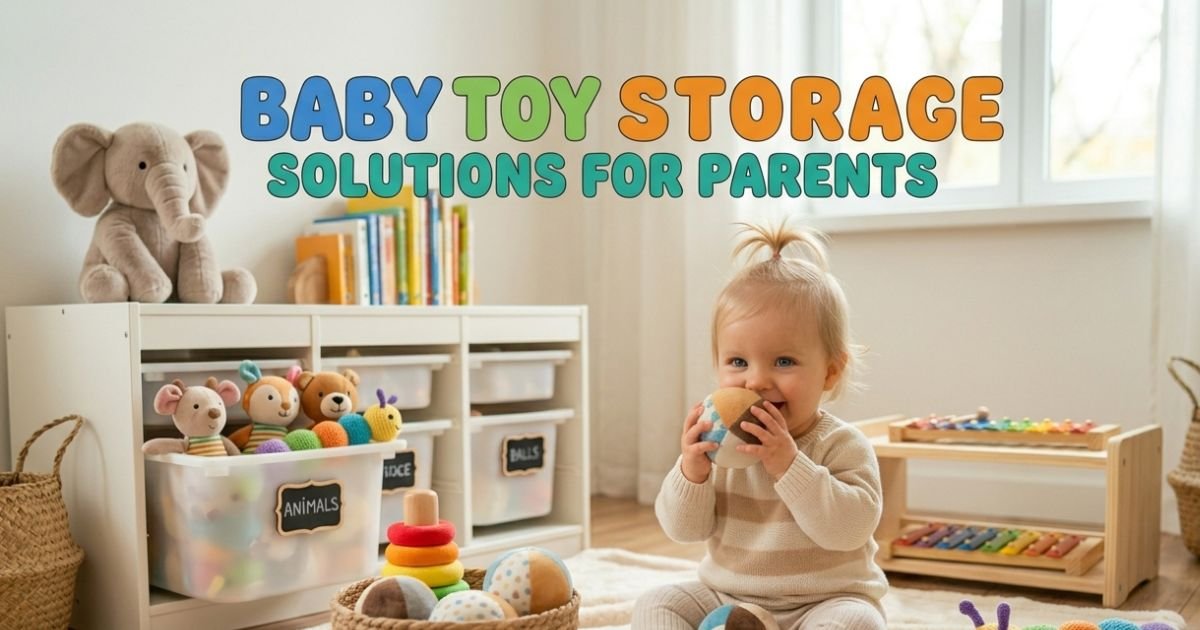

Keeping baby toys organized is a must for any parent. A cluttered play space not only makes cleaning up a chore but can also pose safety risks. Effective baby toy storage solutions bring order and peace of mind: they teach little ones to pick up after themselves and keep hard toys off tiny toes. In this guide, we’ll explore the best toy storage ideas and products for nurseries and playrooms. You’ll learn how to sort, store, and organize toys in baskets, bins, shelves, and more – with tips for safety, convenience, and style.
Welcome to our comprehensive collection of baby toy storage ideas. We’ll cover everything from simple baskets and boxes to shelving units and multifunctional furniture. Along the way, we’ll give you clear steps and concise tips (including “featured snippet” style lists) so you can find the right solution for your home. By the end, you’ll have plenty of practical ideas to keep toys tidy, teach organization to your toddler, and reclaim your floor space.
Why Organize Baby Toys?
A nursery overflowing with toys can feel chaotic. As one parenting expert notes, a room “strewn with toys” can be maddening for parents. Good storage is more than just about cleanliness: it’s also about safety and child development. When toys are neatly stored, it’s easier for kids to find and put away their playthings. Experts say that keeping toys “well organized and smartly displayed” encourages little ones to engage with their toys and gain independence by retrieving and returning them on their own. In short, toy storage solutions help create positive habits early on.
At the same time, storing toys properly prevents accidents. Stepping on a hard plastic toy or a rogue LEGO is no fun for anyone! Large piles of toys on the floor can also be tripping hazards. By using a storage system (baskets, bins, or shelves), you keep playthings off the floor and reduce the risk of falls. And for babies and toddlers, choosing safe storage is crucial: for example, avoiding heavy hinged lids on toy chests can prevent injuries.
Organizing toys also saves parents time. Instead of searching for missing pieces in a mountain of toys, you’ll know exactly where things belong. As one parenting site puts it, “easy-to-use and visually attractive toy storage systems can be a fantastic way to keep the peace” in playrooms. In this article, we’ll give you practical, tried-and-true baby toy storage ideas that keep play spaces tidy and make cleanup a breeze.
Key Considerations for Toy Storage
Before jumping into specific products, think about what matters most in a toy storage solution. Some top factors include:
- Accessibility for kids: Storage should be at the child’s level. When toddlers can reach their toys and the storage units, they’ll be more likely to participate in cleanup. The best organizers are often low shelves or bins within easy reach of little hands.
- Safety features: For safety, opt for open bins or furniture with no heavy lids. The U.S. Consumer Product Safety Commission (CPSC) explicitly warns against chests with free-hanging lids (they can fall and trap a child). If you do use a toy box, choose one with a safety-hinge lid or remove the lid altogether. Always anchor any tall bookshelf or cabinet to the wall to prevent tipping.
- Material and durability: Long-lasting materials like sturdy plastic, solid wood, or woven cotton can withstand rough use. Storage also needs to be easy to clean (for example, plastic bins wipe down easily). Experts advise checking for durability and ease of cleaning when choosing organizers.
- Storage capacity and size: Match the size of bins or shelves to the toys. Small bins are great for sorting blocks, cars, or doll accessories, while larger chests or trunks hold big stuffed animals. Crate & Barrel’s design team notes that using small baskets and bins “keeps [toys] easily accessible and minimize[s] digging and dumping”.
- Aesthetics and decor: Since toy storage will sit in your living space, consider how it looks. Woven baskets or bins can complement room decor, and neutral colors will age well as your child grows. Some parents choose storage that doubles as furniture (like benches with storage) so it blends in with the rest of the room.
Types of Baby Toy Storage Solutions
There are many ways to store baby toys. Below we break them into categories, with tips on when and how to use each. Each section highlights the advantages and any caveats.
Toy Storage Baskets and Bins
Storage baskets are versatile, affordable, and come in many sizes and styles. A baby toy storage basket (for example, woven or fabric baskets) can hold stuffed animals, soft toys, or even folded blankets. Experts say that colorful or themed baskets are “cute additions” to a nursery, and neutral baskets can transition to a kid’s room later. Baskets encourage a visually appealing setup: children see their toys on open shelves or floors, and they’re more likely to play with them. As Happiest Baby suggests, making storage “visually appealing” (with open shelving and pretty bins) helps kids want to put toys away.
Small toy storage baskets also help sort toys by category (cars in one basket, blocks in another, etc.). Clear plastic bins can do this too. In fact, clear bins are a great solution: by storing toys in see-through containers, toddlers can easily find what they want without dumping everything out. (This saves cleaning time!) The trade-off is that clear plastic bins require some upkeep: you may need to categorize by color or type to keep them neat, as Happiest Baby recommends.
Crate & Barrel emphasizes baskets for all ages. For example, it suggests using a large soft basket for a teddy bear collection. Its designers also say “Bins, baskets and more bins” are the ultimate go-to for easy cleanup and organized storage. Baskets come in materials like cotton rope, mesh, plastic, or metal – choose child-safe materials (no sharp edges). The main advantage of baskets is that they are light and easy for kids to handle. On the downside, a rope basket needs maintenance (you might need to reshape it sometimes), and fabric baskets may collect dust more than plastic.
Toy Storage Organizers (Bins, Cubes, and Caddies)
Toy storage organizers generally refer to multi-bin units or shelving systems that include drawers/bins. A popular example is a low-standing shelf with removable bins (like cube shelving with fabric bins). One favorite (mentioned by The Bump) is a three-tier angled toy sorter with nine bins. This plastic organizer sits low to the ground and its bins are slanted so kids can see the toys inside. The angled design is excellent for visibility: kids (even young toddlers) can easily spot their favorite blocks or figurines. As Naeemah Goldson (professional organizer) attests, having multiple small bins at kid height encourages children to play with and put away their own toys.
When choosing a bin organizer, consider bin size and sturdiness. Smaller bins are great for tiny toys but won’t fit large items, so they complement bigger boxes or shelves. Check that bins fit well (don’t collapse) and have smooth handles. The Bump also highlights that a durable plastic organizer can last for years. In general, modular bin systems (like IKEA’s TROFAST system or cube shelves) score high on convenience. They keep toys off the floor but within reach, and you can label or color-code them to group toys.
Toy storage carts or rolling organizers (with wheels) are another form of organizer. For example, a rolling storage cart with baskets can double as a diaper caddy or an art supply station. Carts are handy for keeping toys portable – you can wheel them from room to room. Just be sure the wheels lock, and again that any tall structure is stable.
Pros of organizers: very customizable, often adjustable as baby grows, and lots of cubbies to separate toy types. Cons: can be more expensive than loose bins, and plastic bins may be noisy when tugged (choose fabric bins if you want quiet).
Toy Storage Boxes, Chests, and Trunks
For larger or miscellaneous toys, a toy storage box or chest is a classic solution. A toy chest (often wooden) or trunk can hide away big items like stuffed animals, large dolls, or sets of blocks. The advantage is simple: toss everything in, shut the lid, and the mess disappears. A well-known example is a wooden toy chest with a hinged lid. Good Housekeeping notes that many toy chests now include a safety-hinged lid to protect little fingers. In their tests, the Melissa & Doug wooden chest was praised for its “safety-hinge lid that protects tiny fingers” and a height that preschoolers can easily reach. These features make it safer and more kid-friendly than an old-style blanket chest.
However, safety is crucial here. The U.S. CPSC strongly warns against toy chests with free-hinged lids: such lids can fall closed and injure a child. To be extra safe, consider chests that open fully (no heavy lid) or have a support hinge that holds the lid up. If you already have a toy trunk with a lid, make sure the lid has a secure support hinge or remove it altogether. The lighter the lid, the safer it is. Some parents actually use an open-top toy box (no lid) or a blanket chest with a removable cover.
Another form of “toy box” is a storage trunk. A chest-style trunk (often made of wood or durable plastic) can double as decor. ExtraSpace Storage highlights that trunks come in various sizes and can even serve as a place to sit or a table when closed. The top of the trunk can also hold baskets of toys, making it multifunctional. Just remember the lid rule: either very light or held open by a hinge.
Pros of toy boxes: large capacity, easy to throw everything in at cleanup time, and can lock out sight of clutter. Cons: if not safety-designed, lids can be hazards, and kids might not see the toys hidden deep inside (out-of-sight often means out-of-mind). In fact, some experts recommend open shelving over closed boxes for that reason (more on shelving below).
Toy Storage Shelves, Cubbies, and Cabinets
Open shelves and cubby units are great for small toys, books, and any items you want to display. A low bookshelf or cubby (for instance, a Montessori-style playshelf) lets a baby or toddler see all their toys at a glance. Organizers advise that visible storage (open shelves with toys faced forward) encourages play: toys that “can be seen are played with more often”. The Bump highlights a Montessori-inspired playshelf that has open shelves plus a couple of small cubbies. It’s built low, with a large top shelf and smaller lower shelves. This setup displays a limited number of toys (rotating favorites), which is ideal for babies who might be overwhelmed by too many choices.
Likewise, cube shelving units (with optional fabric bins inserted) are popular. You can mix open cubes with cubes that hold bins – for example, a few bins for loose toys and a couple of shelves for books or decorative baskets. Pottery Barn and other designers often show cubes arranged like a wall of cubes or stacked horizontally. Always secure tall shelving to the wall.
Toy storage cabinets (with doors) are another variant. Some parents choose a kid-sized cabinet or sideboard with doors as toy storage. The advantage is that behind closed doors, clutter is completely hidden. This is useful if your baby’s play area is also part of the living room or bedroom and you want a tidy look. If using a cabinet with doors, make sure the child cannot open it and access unsafe items. Many children’s storage cabinets have magnetic or child-safe latches. Remember, though, that putting toys out of sight can reduce how often kids choose them. A balanced approach is to use some open shelves (to encourage play) and some closed storage (to hide excess items).
Also consider bookcases. A small bookshelf at a baby’s height is perfect for board books and also some bins of toys. Crate & Barrel suggests low cubed bookcases (like an 8-cube organizer) for a mix of storage and display. They note you can store small pieces in a bin in one cube and use others to display bigger toys or decor.
Pros of shelving/cabinets: Toys are visible (kids can independently pick up), and pieces stay organized by category. Cons: open shelves show clutter if not kept neat, and busy parents must be diligent in curation.
Multi-Functional Toy Storage Furniture
Some furniture items pull double duty as toy storage. A storage bench with cubbies (or lift-up lid) provides seating plus hidden toy space. For example, IKEA’s SMÅSTAD or Better Homes & Gardens benches have built-in cubbies under a cushioned seat. This is nice in a playroom or bedroom where kids can sit and read or play, then tuck toys below. The Good Housekeeping team called the Better Homes bench “an organizer bench…with four handy cubbies” that functions as seating.
Another idea is an ottoman with storage or a trunk coffee table – these look like normal furniture but open up to stash toys. They can be moved around and blended with adult decor. Just be sure if it’s an ottoman that the top closes softly, or remove the lid completely.
Additionally, think vertical: wall-mounted shelves or racks can hold books, stuffed animals, or lightweight toys. Pegboards with baskets or hooks can hold art supplies and toys up on the wall. Hanging shoe organizers or closet rod dividers can also be repurposed for small toys or plushies (see “Closet Solutions” below).
Creative Baby Toy Storage Ideas
- Under-bed drawers and chests: If you have space under a crib or toddler bed, invest in flat storage drawers or bins. They’re great for stashing out-of-season toys or bulkier items. As one expert suggests, “Don’t forget your sneaky spots: under the bed…are good in a pinch”.
- Toy storage bags: Instead of boxes, some parents use a toy storage bag (like a large drawstring or mesh bag). After playtime, toys can be simply tossed into the bag and cinched closed. These bags can stand upright (like a laundry hamper) or lay flat. ExtraSpace Storage calls a foldable toy bag a popular nursery solution, noting they come in many colors and “can be folded up and stored anywhere” making cleanup easy. Many toy storage toys on the market (like pop-up Lego bags) use this idea.
- Rotating toys: Rather than storing all toys at once, keep some in storage (closet or bins) and rotate. This keeps the play area tidy and makes toys feel new when reintroduced.
- Labeling: If your child is older or you want to involve them in cleanup, label bins with words or pictures. They can learn to sort cars into the “Cars” box and dolls into the “Dolls” basket. Labels make storage intuitive and encourage independence.
- The three-box method: Before organizing, do a quick declutter: one box for “keep,” one for “donate/sell,” and one for “trash/broken”. This way you only store what’s useful, keeping clutter down. For example, broken toys can be discarded immediately. This is the first step recommended by toy organization pros.
- Use everyday items: Kids’ chests of drawers, kitchen carts (like IKEA RÅSKOG), laundry baskets, or even a repurposed toolbox can become toy storage. Get creative with what you have – just ensure it’s safe.
- Closet converts: Use closet shelves or over-the-door organizers to store toys off the floor. The Happiest Baby blog suggests a “Closet Toy Storage Idea” (though details are cut off above, the general idea is using closet space efficiently). Hanging baskets or cubbies inside a nursery closet can free up floor space.
Step-by-Step: Sorting and Organizing Toys
Getting toy storage right often starts with tidying up the toys you already have. Here are quick steps experts recommend before finalizing your storage setup:
- Gather and Sort: First, collect all toys from around the house. Sit on the floor with bins or boxes to sort them. Toss broken toys; set aside outgrown items to donate. Sort the remaining “keepers” by type or usage (e.g. puzzles, stuffed animals, blocks, bath toys).
- Categorize: Once sorted, decide where each group lives. For example, put bath toys in a mesh basket in the bathroom, books on a low shelf in the bedroom, and art supplies in a caddy by the craft table. Grouping similar toys makes finding them easier.
- Select the Right Storage: Now match categories to containers. Heavy, large toys go in trunks or big bins; small items in labeled bins or baskets. Consider how often each toy is used: daily-play toys should go in easy-to-reach spots, while party items or seasonal toys can be higher up or out-of-sight. Good Housekeeping notes that organizers should balance ease-of-use with functionality and durability.
- Place at Child’s Level: Keep commonly used toys on lower shelves or in front bins so the baby or toddler can grab them independently. As Crate & Barrel’s designers say, a “sturdy but soft bin” at toddler height is ideal for nursery toy storage (look for bins with tactile details as bonus play points). Anything above their reach should either be off-limits or contain less-used items.
- Use Vertical Space: Make use of wall shelves or tall units by anchoring them safely. As Babesta’s toy storage tips advise, if you’re short on floor space, “think vertically” – just always secure furniture to the wall. For instance, install floating shelves for books or a high basket.
- Label and Rotate: If multiple kids share a space, labeling can help keep things organized. Periodically rotate toys (keep some in the closet and swap out) to prevent overstimulation and keep interest.
By following these steps, you’ll turn a messy collection of toys into a streamlined, organized system that’s easy for parents and kids alike.
Toy Storage Safety Tips
Safety must be top of mind when storing baby toys. Besides the lid issue already noted, consider these precautions:
- Sturdy Construction: Ensure shelves or units won’t tip. Anchor tall bookshelves and storage towers to the wall. Don’t place heavy furniture on wheels near a baby.
- Non-toxic Materials: Babies often chew on things. Choose toys and bins made from BPA-free plastic or untreated wood. Avoid chipped paint or splintering surfaces.
- No Small Parts: Keep small pieces (like Lego or marbles) in containers with lids up high if your baby is still crawling. Lock cabinet doors or use childproof latches if needed.
- Clear Pathways: Don’t let storage become an obstacle. Place baskets and bins where children expect them, and always close drawers fully so they don’t become tripping hazards.
By combining safe design (open bins, safety hinges, anchors) with good organization, you reduce accidents and make toy time fun and stress-free.
Pros and Cons of Popular Solutions
To summarize, here are quick pros and cons of each major storage type:
- Baskets (open bins): Pros: Affordable, easy for kids to use, decorative. Cons: Can collapse if overloaded, toys might “spill” out, no lid means less concealment.
- Plastic Bins with Lids: Pros: Durable, contain mess, come in bright colors. Cons: Lids can pinch or slam, clear bins show clutter, lids can be hard for little hands unless secured.
- Toy Chests/Trunks: Pros: Large capacity, hides clutter completely, classic look. Cons: Heavy lid hazard (unless safely designed), kids can’t see inside to find a toy, not always easy for young toddler to open (even with hinge).
- Shelving Units/Cubbies: Pros: Visible organization, encourages independence, flexible arrangement. Cons: Open look means clutter is visible, requires regular tidying, higher pieces must be anchored.
- Bench/Ottoman with Storage: Pros: Dual function (seating & storage), hides toys under cover. Cons: Lids can slam (choose soft-close), may be heavy to move, capacity limited by size.
- Toy Bags/Mesh Bags: Pros: Super easy clean-up, portable, flexible shapes. Cons: Not structured (toys can fall over), requires putting bag away in closet to hide the mess, doesn’t segment toys by type.
Choose the type that best fits your space and your child’s age. Often a combination of solutions works best (for example, baskets on a low shelf, plus a trunk for bulky toys).
Conclusion
Every baby’s room (and family!) is different, so finding the perfect baby toy storage solution may take a bit of experimentation. Start with these principles: sort and declutter toys first, then mix open and closed storage for balance, and always prioritize safety. With the right organizers—whether baskets, bins, shelves, or toy boxes—you’ll make your home tidier and teaching cleanup habits easier for your little one.
Ready to try a new system? Consider picking up a few storage baskets or bins today. Many parents love starting small: get one or two woven baskets for books or stuffed animals, and a stackable bin for blocks. Arrange them on a low shelf or in a closet corner, and label them. You might be surprised how quickly your baby learns to help with cleanup when each toy has its place!
For more ideas, browse our linked resources and products. A well-organized play space not only looks nice – it makes life as a parent a bit simpler. Happy organizing, and enjoy those clutter-free playtimes!
