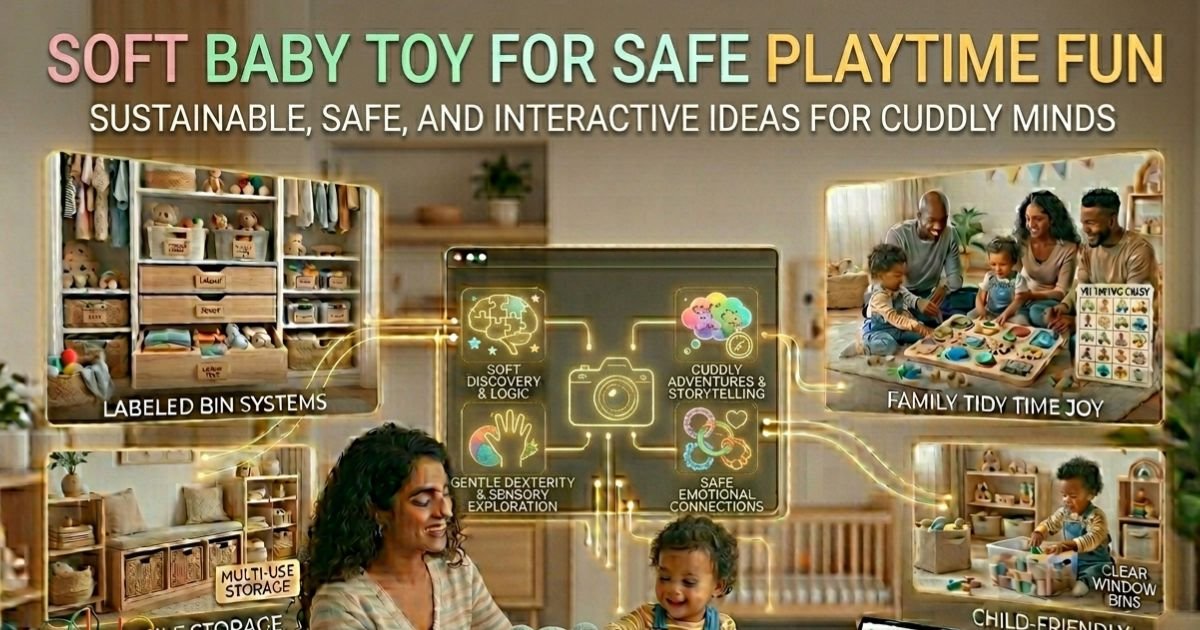

Every parent knows that a soft baby toy can turn any moment into a cozy, playful experience. These plush companions are made of gentle fabrics and stuffing, perfect for tiny hands to grasp and cuddle. In this guide, you’ll learn what a soft baby toy is and why it’s so popular with infants. We’ll share expert tips on choosing safe soft baby toys (including those specially made for newborns), explain how to clean and maintain your cuddly toys, and highlight gift ideas. Whether you’re buying your baby’s first plush friend or seeking a soothing bedtime companion, we’ve got you covered with practical advice and top safety guidelines.
What Is a Soft Baby Toy?
A soft baby toy is any toy designed for infants and toddlers that is made of plush or fabric materials, without hard edges or rigid parts. These often include plush stuffed animals (like teddy bears, bunnies, or soft dolls), fabric loveys (blankets with attached plush heads), cloth activity books, and fabric-covered rattles or squeeze toys. By definition, soft toys are made from gentle fabrics (cotton, polyester, fleece, etc.) and filled with soft stuffing. They are specifically created for babies’ delicate hands and mouths. Because they contain no sharp or hard pieces, soft baby toys are ideal for early development and comfort.
Benefits of Soft Baby Toys
Soft baby toys offer many developmental and emotional benefits:
- Comfort & Security: A cuddly soft baby toy becomes a little friend. Babies love hugging plush toys, which can soothe fussiness and ease separation anxiety. (A soft teddy bear or plush blanket often acts as a “transitional object” that helps a baby feel safe.)
- Sensory Stimulation: Soft toys often have interesting textures fluffy fur, crinkly fabric, or embroidered tags that engage a baby’s sense of touch. Pediatric experts note that sensory toys with varied textures and colors are great developmental choices for infants. Feeling different fabrics helps babies learn about their world.
- Motor Skill Development: As babies grab, squeeze, and shake a soft toy, they practice hand coordination and strengthen their grip. For example, soft squeeze toys of various shapes build grasping and manipulation skills during early months.
- Quiet Play: Unlike noisy electronic toys, soft baby toys let infants explore quietly. This encourages independent play and imagination, as babies discover sounds (like a rattle inside) and movements by themselves.
- Safe Exploration: Because there are no hard parts, babies can safely mouth most soft toys. They can chew and drool on them without risk of injury (just watch for hygiene!).
In short, soft toys combine safety with developmental value. They make playtime fun while remaining gentle for baby’s skin and body.
How to Choose a Safe Soft Baby Toy
When shopping for a soft baby toy, safety is the top priority. Here are key factors to check:
- Age Appropriateness: Always check the toy’s labeled age range. A soft baby toy for newborns (age 0+) will have no small parts at all. Toys labeled “3+ months” or older often have more features. Choose toys specifically marked for infants when buying for a baby under 6 months.
- No Small Parts: Beware of any removable pieces. Tiny buttons, beads, or plastic eyes can detach and become choking hazards. Mayo Clinic warns to “watch out for toys small enough for kids to inhale or put in mouths – this includes deflated balloons, marbles, beads and stuffed animal eyes.”. The safest plush toys use embroidered eyes or features instead of hard attachments.
- Sturdy Construction: Check that the toy is well-stitched. Seams should be tight so that stuffing won’t escape. Mayo Clinic also advises that “stuffed toys should be made with sturdy material and thread, and not filled with small, loose pellets”. Soft toys that pull apart can expose fibers or fill that are dangerous for babies.
- No Cords or Ribbons: Ensure there are no long cords, straps, or ties on the toy. Any string longer than a few inches can wrap around a baby’s fingers or neck. For example, the Mayo guidelines say “No string or cord on the toy should be long enough to form a noose, twist around a finger… or choke or strangle a baby”.
- Non-Toxic Materials: The fabrics and fillings should be hypoallergenic and free of harmful chemicals (phthalates, BPA, flame retardants, etc.). Look for soft toys labeled non-toxic or BPA-free. Trusted toys meet U.S. safety standards (ASTM F963, CPSIA compliance, or the European CE mark).
- No Batteries or Magnets: If the soft toy is electronic, avoid toys with button batteries or high-powered magnets. Button batteries can burn tissues if swallowed, and magnets can pinch intestinal walls. For infants, it’s safest to stick with fully fabric toys without any electronics.
- Easy to Clean: Prefer toys marked as machine washable. Accidents happen, and a washable soft toy will be much easier to keep hygienic. (See the next section for cleaning tips.)
- Size: The toy should be large enough so that a baby cannot fit the whole toy in their mouth or swallow it. In fact, Seattle Children’s researchers note that soft baby toys should be large enough that they can’t be swallowed even when squished down. A good rule: if the toy (or any piece of it) can fit entirely through a toilet paper tube, it’s too small for a baby.
Shopping Tips: When in doubt, read reviews and product descriptions carefully. Choose reputable brands that detail safety testing. Inspect new toys before giving them to baby. If a toy has any loose fibers, torn seams, or comes with extra parts (tags, boxes, plastic wrap), discard those immediately. By checking these points, you can pick a safe soft baby toy that gives parents peace of mind.
Soft Baby Toys for Newborns
Newborns (0–3 months) have very specific safety needs. Remember: babies under ~1 year should never sleep with soft toys in their crib. But for awake, supervised play, the right soft toys can be beneficial. Here are guidelines for choosing newborn-safe toys:
- Supervised Only: For the first 6–7 months, keep plush toys out of the crib and bassinet. Red Nose Australia strongly recommends “parents and carers do not use soft toys or comforters” in the sleep area for babies under 7 months. Instead, offer a soft toy only during awake time when you can watch baby.
- Simple Designs: Pick toys with minimal parts – for example, a soft rattle or squeeze toy with fabric wrapping, or a cloth book with embroidered crinkle pages. These engage baby’s senses (hearing the rattle or feeling the crinkle) without posing choking risks.
- Lovey/Blanket Combo: A small lovey (a silky or fleece blanket with a little stuffed head or animal sewn on) can be introduced around 6–8 months for comfort, but even then remove it during sleep. A lovey should be machine-washable and very lightweight.
- Flat Plush Toys: Small flat plush toys (like a 2D animal pillow with no stuffing) can be safer for tummy time or stroller rides, since they can’t bunch up around the face.
- Books and Tags: Soft cloth books or taggies (fabric squares with sewn loops) are newborn-friendly. They stimulate touch and vision (high-contrast patterns) while containing no loose parts.
- Special Infant Toys: Some manufacturers offer “0+ months” plush toys designed for newborns. For example, HABA notes that while most of their plush are rated 3–6 months and up, “we do have several products that are age-rated for newborns” (like their Snug Up Doll and Guardian Angel Mini Dolls). These are small, soft dolls with embroidered eyes meant just for little babies.
Safety Reminder: Always supervise newborns with any toy. Even if a toy is marketed for infants, never let a sleeping baby nap with a stuffed animal. Follow safe sleep rules: baby on their back in a clear crib without pillows or stuffed animals. Use soft toys as gentle companions during feeding or play, but keep sleep spaces bare for newborns.
Popular Types of Soft Baby Toys
Soft baby toys come in many forms. Some common types include:
- Plush Stuffed Animals: The classic teddy bear, plush bunny, elephant, etc. Choose ones labeled “baby-safe,” with embroidered eyes. A plush soft baby toy offers lots of snuggle factor.
- Lovey Blankets: Small blankets (around 12” square) with a soft animal or doll head sewn in one corner. Loveys are lightweight and comforting.
- Cloth Books: Fabric storybooks with soft pages (often crinkly or squeaky) introduce babies to books safely.
- Soft Rattles & Teethers: Fabric-covered rings or animals that rattle, or soft teethers attached to plush. (Ensure any teether parts are securely attached and BPA-free.)
- Puppets & Finger Puppets: Soft cloth or plush puppets can entertain baby during parent play (pull them off your fingers and make sounds).
- Crinkle Toys: Flat plush toys with crinkly material inside (e.g., a plush fish with crinkle fins) that intrigue babies.
Many of these toys are also good gift ideas. For example, a small plush puppy or a cuddly rag doll can be a perfect “first toy” for a baby. When choosing a soft baby toy gift, prioritize safety features: embroidered details, sturdy seams, and machine washability. A personalized plush (like a stuffed animal with the baby’s name) makes a memorable gift that parents will appreciate for both cuteness and thoughtfulness.
Washing & Maintaining Soft Baby Toys
Because babies drool, chew, and generally make toys dirty, cleaning is crucial for soft baby toys. Regular washing helps prevent germs and allergens – Seattle Children’s Hospital even notes that “stuffed animals and soft materials can harbor bacteria, so parents should make sure to wash those toys frequently.”. Here are tips for cleaning:
- Check Care Labels: First, always look at the toy’s tag for washing instructions. If it says “machine washable,” that’s easiest. If it’s spot-clean only, you’ll have to hand wash carefully.
- Machine Wash: Most plush toys can go in a washing machine on a gentle cycle. Use warm water and mild detergent. For added sanitation, some parents add a bit of laundry sanitizing rinse (or a splash of baby-safe disinfectant). Popular advice (e.g. from Lysol) is to machine wash stuffed toys with detergent and then dry them. Lysol even suggests tossing stuffed toys in the dryer with a few clean tennis balls to prevent the stuffing from clumping. This keeps the toy fluffy.
- Hand Wash or Spot Clean: For delicate items or ones with electronic parts, wipe fabric surfaces with mild soap and warm water, then rinse. Alternatively, you can disinfect by spraying a baby-safe cleaner (or a 1:50 bleach-water solution) and air drying. Always rinse off any cleaning residue thoroughly.
- Drying: After washing, air-dry stuffed toys completely (bacteria like damp). If using a dryer, use low heat. Again, tennis balls in the dryer help restore shape. Never return a toy to baby if it’s still wet inside.
- Disinfection: Especially during illness, you can “sanitize” toys by leaving them out in sunlight or using UV sanitation devices. (Some caregivers use a dilute bleach soak: 1 tablespoon bleach per gallon of water, soak for 5 minutes, rinse well.) However, repeated bleach isn’t usually needed for everyday cleaning.
- Rotate Toys: To make cleaning manageable, have a few soft toys on hand and rotate them. Keep extras in a clean bin while some are in the wash. This way, baby always has a clean one to cuddle.
In summary, many washable soft baby toys are designed for easy cleaning. HABA’s baby plush toys, for instance, “are machine washable on the cold/delicate cycle”, and they recommend simply air drying. Regular laundering keeps the toys hygienic and looking new. Always inspect a toy after washing – ensure seams didn’t split and no stuffing pokes out. Discard or repair any worn toy. Clean, well-maintained toys are a key part of safe play.
Soft Baby Toy Gift Ideas
A soft, cuddly toy is a classic gift for baby showers, birthdays, or new parents. When picking a soft baby toy gift, consider:
- Personalized Plush: Many stores offer embroidered stuffed animals or name blankets. A teddy bear with the baby’s name or birthdate can be a keepsake.
- Toy Sets: Look for gift sets that combine a plush toy with a blanket, book, or nightlight. These create a ready-to-go care package for baby.
- Theme Toys: If the nursery has a theme (e.g. jungle animals), match a soft toy to that. For example, a soft stuffed elephant or lion.
- Multi-Sensory Toys: Some plush toys include extra features like a gentle rattle, crinkle sounds, or a soft mirror. These keep baby engaged.
- Handmade or Eco Options: For a unique gift, consider handcrafted plushies made of organic cotton or wood-fiber fabrics. Just ensure they meet safety standards.
Regardless of style, emphasize gift safety: The toy should be machine washable and safe for baby’s age. You might mention on the gift tag that it’s “0+ months” safe or has embroidered eyes. This reassures parents. A sweet note like “Can’t wait to see [Baby’s Name] cuddle this!” adds a personal touch. Soft baby toys also make wonderful “big brother/sister” gifts to help older siblings involve a new baby in play.
Pros and Cons of Soft Baby Toys
Pros:
- Safety: No hard parts means no bumps or bruises. Soft toys eliminate sharp edges and are generally non-toxic.
- Comfort & Development: They double as security blankets and help with early motor skills (grasping, holding). Soft textures can soothe fussy babies.
- Washability: As noted, many are machine washable, making hygiene easy.
- Quiet Play: Without noisy electronics, these toys let babies explore sound (rattles, squeaks) and imagination peacefully.
- Portability: Lightweight and soft, babies can carry them easily. They travel well in car seats or strollers.
Cons:
- Hygiene: If not cleaned often, soft toys can accumulate germs and allergens (the very reason we emphasize washing!). A neglected plush may harbor dust mites.
- Choking Hazard if Misused: If a toy tears or has hidden small parts, it becomes dangerous. Parents must stay vigilant.
- Limited Interactivity: Compared to electronic or hard toys that talk or light up, soft toys rely on caregiver interaction for stimulation. That’s usually fine for infants, but older toddlers might outgrow plain plush toys faster.
- Wear & Tear: Over time, stuffing can flatten or fabric can thin, making the toy less fluffy. Splits or loose fibers pose risks and reduce longevity.
On balance, the benefits of soft baby toys often outweigh the downsides, especially when parents follow safety and cleaning tips. Choosing well-made toys minimizes the cons.
Conclusion
Soft baby toys are a delightful and safe way to enrich your little one’s playtime. From newborn-friendly plushies to cuddly characters for toddlers, these toys provide comfort, sensory fun, and gentle learning all while being gentle on baby’s skin and body. Remember: always check age labels, avoid toys with small parts or electronics, and keep playtime supervised for infants. Maintain your soft toys by washing them regularly and inspecting for wear. A cuddly soft baby toy can become your child’s first friend and favorite bedtime companion, so pick wisely and care for it properly.
Ready to make playtime both safe and snuggly? Explore soft toy collections with these safety tips in mind, and enjoy watching your baby’s face light up with their new plush friend. Happy (safe) playing!
