
Building with baby building toys (like colorful blocks or stacking cubes) sparks endless creative play and essential learning. These simple toys often called baby building toy blocks – encourage infants and toddlers to experiment, problem-solve, and express themselves. In this article, you’ll learn what baby building toys are, why they matter for development, and how to choose the right building toy set. We’ll also highlight top examples of educational baby building toys, share tips for play, and explain how even the plainest block can become a magical learning tool.
What is a Baby Building Toy? A baby building toy is any set of stackable, connectable, or interlocking pieces designed for young children. These toys come in bright colors, shapes, and materials (wood, plastic, foam, or cloth) that are safe and sized for little hands. For example, LEGO® DUPLO® bricks are oversized plastic blocks for ages 18+ months that connect easily. Many sets also include letters, numbers, or animal figures, making them an educational baby building toy that teaches colors, counting, and vocabulary. Essentially, a baby building toy offers open-ended play there’s no single “right” way to use it. Toddlers can stack cubes, sort shapes, build towers, or knock everything down. This freedom to explore is what makes building toys so valuable.
Parents notice that babies love handling blocks, feeling their different textures, and watching towers grow (and tumble!). Even if all they do is grab and mouth the pieces at first, baby building toys teach cause and effect and coordination. For example, placing one block on another and watching them fall introduces cause-and-effect ideas. A typical baby building toy set is small enough to store easily but big enough that kids can sort, stack, and rebuild in countless ways. Think of a baby building toy blocks collection as a toolbox for creativity: the only limit is your baby’s imagination.
Benefits of Baby Building Toys
Building toy blocks are a powerhouse for early development. Play experts highlight many gains from block play. Here are key benefits:
- Fine & Gross Motor Skills. Grasping, stacking, and balancing blocks develop hand strength and coordination. Even simple actions like placing one block on another refine a baby’s grasp and hand-eye coordination. Crawling or carrying blocks also encourages gross motor control (balance and movement).
- Spatial Awareness. As toddlers build towers or nest blocks, they learn how objects fit in space. This spatial reasoning (understanding size, shape, and orientation) is crucial for later math and geometry skills.
- Problem-Solving & STEM Foundations. When a structure wobbles, a child asks “How can I make it stable?” This experimentation teaches trial-and-error thinking. Children test gravity, balance, and cause-and-effect with each build. In fact, research shows that play with building toys improves early math and science reasoning. For example, combining blocks introduces size relationships and counting, boosting early math skills.
- Creativity & Imagination. Building toys are the ultimate open-ended play. A simple set of blocks can become a skyscraper, a bridge, a car, or a castle. This freeform play fuels imagination. As one expert notes, children “can follow their own plan” and create things they never dreamed of. Unlimited re-combinations of blocks let each child invent unique creations, practicing creativity every time.
- Language and Early Literacy. Caregivers often narrate block play (“You have a blue block. Can you put it on the red one?”). This introduces new words and concepts (colors, shapes, numbers) naturally. Over time, kids may tell their own block-stories, boosting vocabulary and expression.
- Self-Esteem & Confidence. Successfully building even a small tower gives toddlers a sense of accomplishment. As one parenting guide notes, when children “bring their ideas to life by creating…something unique,” it builds self-efficacy and pride. Each completed structure – from a single stack to a mini city affirms, “I can do this,” strengthening confidence.
- Social & Emotional Skills. Blocks also become social play tools. Playing with parents or other children teaches sharing, turn-taking, and cooperation. For instance, two toddlers might build side-by-side and share blocks. If a tower falls, children learn patience and resilience as they pick up and rebuild. This teaches an important “fix-it” mindset: mistakes or collapses are fun new chances to try again.
In short, baby building toys support “development in all areas.” They engage motor skills while also enhancing math, science, and language skills. Block play is not just “fun” it’s brain-building play.
How to Choose a Baby Building Toy
When shopping, focus on safety, size, and simplicity. Here are tips for picking the best set:
- Age-Appropriate Size & Safety. For infants (0–18 months), blocks should be large (no choking hazard) and easy to grip. Mega Bloks First Builders and LEGO DUPLO are popular because their pieces are big and safe for 1-year-olds. Avoid small parts. Always check the age recommendation on the box (e.g., “12+ months”).
- Open-Ended Play. Choose simple sets without themes that limit use. A plain block set (cubes, rectangles, cylinders) is more versatile than a set shaped like specific toys. Open-ended sets let baby use imagination freely. For example, a 36-piece wooden cube set can become anything, whereas a very structured puzzle might limit creativity.
- Colorful & Engaging. Bright colors naturally attract babies and help teach color recognition. Blocks in vivid reds, blues, and yellows make sorting and pattern play fun. However, wooden blocks with painted letters or numbers are also great educational options – see below.
- Quantity of Pieces. You don’t need a huge set right away. A small starter kit (10–20 blocks) is enough for babies. Too many pieces can overwhelm little hands. As toddlers grow, you can add more blocks. Many experts recommend starting with a modest set and expanding later as interest grows.
- Material Matters. Wooden blocks last for years and have a classic feel. Plastic blocks (like DUPLO) are lightweight and washable. Soft fabric or foam blocks (like Itzy Ritzy Itzy Blocks) are ideal for very young babies because they’re safe to chew on and squeeze. Decide what’s best for your child’s age and your cleaning needs.
- Extra Features (Optional): Some sets include bonus learning aids, like blocks printed with letters, numbers, shapes, or animals. These are “educational baby building toys” that encourage literacy and counting. For example, ABC wooden blocks or numbered soft blocks turn playtime into a learning session. Music or lights (like some Fisher-Price block tables) are additional gimmicks, but always keep basic open-play possible too.
Popular Baby Building Toy Sets
There are many great building toy sets on the market. Here are examples of top-rated baby building toys that combine fun with development:
- LEGO® DUPLO® – Large, colorful plastic bricks for ages 18+ months. DUPLO bricks snap together easily and come in hundreds of themed sets (farm, zoo, vehicles). The official LEGO site notes that DUPLO’s “bright colours and large, easy-to-handle building bricks mean toddlers…can learn through play” while “refining fine motor skills”. These bricks grow with kids: one set can be expanded to introduce shapes and even early coding concepts.
- Mega Bloks First Builders – A classic plastic block kit for toddlers 1+. These blocks are chunky and soft to grip. A common set is the Big Building Bag with ~80 blocks in various shapes and colors. It often includes storage. Parents love them as an easy first building set: “blocks designed for early success” instead of tiny pieces. (Because Mega is now owned by Fisher-Price/Mattel, you may see them labeled Fisher-Price as well.)
- Wooden Block Sets – Many brands make wooden baby blocks (often called unit blocks). For example, Melissa & Doug Classic Wood Blocks (100+ pieces in a wooden crate) or Grimm’s Rainbow Stacking Blocks. Wooden blocks are heirloom-quality, lasting for years. They may include basic shapes, arches, or printed letters. These support tactile learning and are easy on the hands. (An example: Grimm’s 36-piece rainbow blocks are “easily grasped” by babies and grow with them.)
- Soft Sensory Blocks – Fabric or foam blocks are great for youngest babies. For instance, Itzy Ritzy Itzy Blocks (10-piece soft blocks) have varied textures and patterns to stimulate senses. B. toys Soft Blocks (foam with Velcro) let toddlers build stickable towers. Such sets are light, washable, and safe for chewing. They often come with numbers, shapes, or animal prints, making them an educational baby building toy set that teaches concepts while playing.
- Magnetic Tiles – For older toddlers (2+ years), sets like Magna-Tiles or Tegu Magnetic Blocks add a new dimension. They connect via magnets, so kids can build walls and even 3D shapes easily. These tiles strongly support geometry and STEM skills. (Note: always use under supervision due to small magnets; for 2-3 years.)
- Stacking & Nesting Toys – Not traditional “blocks,” but stacking cups and nesting rings are often among the first building toys for babies. For example, a set of 8 colorful stacking cups can be used to stack, nest, or even pour water. These encourage fine motor control and color learning in infants (6+ months) and are a stepping-stone to standard blocks.
No single set is “best” for every child, but these examples illustrate the variety. Look for sets that suit your baby’s age and interests. Many parents build a baby building toy set collection over time: starting with soft blocks, adding plastic blocks, then wooden sets and advanced tiles as children grow.
Tips for Play and Learning
- Keep It Simple: Introduce just a few blocks at a time. Demonstrate stacking one or two and let baby try. Show them how to nest or line them up by color. Modeling play (parents play with the blocks) helps babies learn language and ideas.
- Encourage Exploration: Don’t worry if baby uses blocks to bang or chew. That’s exploration too! Point out color and shape names as they play. For example, “You put the red cube on the blue one great job!”
- Build Together: For toddlers, make a little building project: “Let’s build a tower as tall as this stuffed bear!” Celebrate efforts. If it falls, discuss cause and effect (“Oh no! The tower fell because it was wobbly let’s try again”). Emphasize that falling is normal and fun – a chance to rebuild.
- Rotate Blocks: To prevent overwhelm, keep only a few blocks out at once. Store the rest. When baby gets bored, swap them. This keeps the toy fresh and maximizes curiosity.
- Safety First: Always supervise babies with blocks. Even though toddler blocks are larger, they may still put them in mouth. Ensure any play space is safe (blocks off sharp edges) and that blocks are intact (no cracks or loose parts).
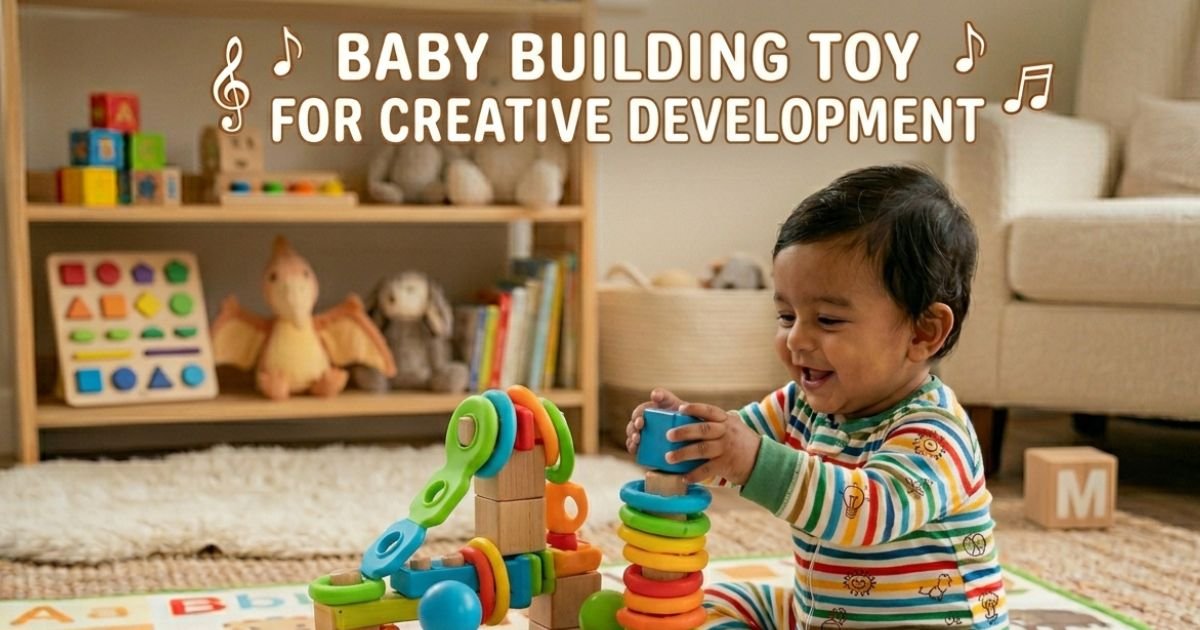
Children’s play is a form of exploration. In this photo, a built tower made of wooden blocks reflects the child’s fine motor practice and understanding of balance. Every block that a toddler places builds brain connections: understanding gravity, trial and error, and creative design. Even knocking down this tower teaches cause-and-effect and resilience.
Colorful Learning and Development
Colors add another learning layer to block play. Brightly colored blocks catch a baby’s eye and help them learn color names. In fact, experts note that colorful toys “stimulate the brain and evoke emotions, crucial for early learning.” A blog about jumbo blocks explains that “colorful toys…help kids recognize colors, categorize objects, and even express emotions”. You can turn play into a color game: ask baby to pass you a red block, sort blocks into color groups, or build a “rainbow tower” (stacking red, orange, yellow, etc.). These activities teach organization and patterns in a fun way.
Using different colors also encourages design thinking. A child might experiment by building a multicolored castle or alternating colors in a row. This visual play enhances creativity while building color recognition. As one parent noted, creating patterns or structures with colors “go beyond creative play they also enhance cognitive development.” When kids sort blocks by color or make color-based patterns, they’re practicing higher-level thinking skills like sequencing and planning. So a colorful baby building toy is both playful and educational: it captures attention and embeds learning naturally.
Conclusion
Baby building toys and blocks are powerful tools for creative development. They offer open-ended, hands on play that boosts motor skills, problem-solving, and imagination all key to early learning. By choosing the right baby building toy set (age-appropriate size, bright colors, open-ended design) and playing alongside your child, you turn playtime into a rich educational experience. Remember: whether it’s a soft foam cube or a wooden block, every piece your baby stacks is a building block of growth.
Try it today: pick a set of colorful baby building blocks and start building together. Watch as your child proudly creates towers, sorts shapes, and learns through play. In doing so, you’re not just offering a toy you’re launching a lifetime of curiosity and creativity.
